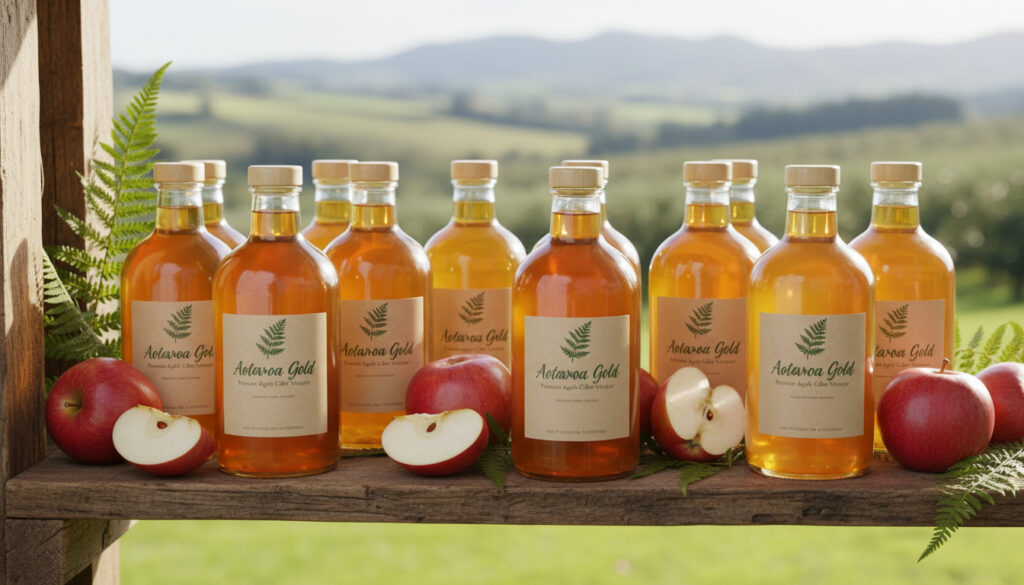
Apple Cider Vinegar NZ – Where to Buy, Best Brands
Apple cider vinegar has transitioned from pantry staple to wellness phenomenon across New Zealand, with consumers navigating a market split between supermarket convenience and artisanal health products. Local producers now compete with international brands, offering everything from budget-friendly cooking acids to oak-aged organic formulations containing live bacterial cultures.
The distinction between filtered and raw unfiltered varieties significantly impacts both price and purported benefits. While major retailers stock affordable domestic options like DYC and Woolworths, health shops and online specialists serve demand for imported names such as Bragg and certified organic lines from Ōtaki-based producers.
Where Can I Buy Apple Cider Vinegar in New Zealand?
What is ACV?
Fermented apple juice containing 5-7% acetic acid, produced through natural fermentation processes without chemical additives in local varieties.
Key Types Available
Raw unfiltered versions containing “the mother” (beneficial bacteria) versus clear pasteurized variants suitable for cooking and cleaning.
Primary Retail Channels
Supermarket chains, independent health stores, direct-from-producer sales, and international e-commerce platforms serving the local market.
Price Spectrum
Retail prices span from $4.00 for basic house brands to $12.90 for certified organic bottles, with premium artisanal options commanding higher prices.
- DYC represents the original New Zealand-made vinegar, produced through natural fermentation without additives and available for $6.85 per 750ml bottle.
- CoralTree Organics operates from the Kāpiti Coast, aging organic ACV in oak barrels using exclusively New Zealand-grown apples.
- Bragg dominates the imported raw unfiltered segment, accessible through Auckland pharmacies and online retailers with a refreshers variant priced at $16.69 for 473ml.
- Marshall’s Health Shop distributes their own organic certification line at $12.90 per unit.
- Mass-market supermarkets primarily stock Woolworths house brand at approximately $4.00, positioning ACV as a commodity cooking ingredient.
- Specialty retailers including Ceres and Skybright cater to the organic wellness demographic through dedicated health channels.
- Bulk procurement options exist for commercial users, with CoralTree offering 20-litre containers alongside standard retail packaging.
| Attribute | Specification |
|---|---|
| Acid Content | 5-7% acetic acid through natural fermentation |
| Processing Types | Raw unfiltered with mother vs. pasteurized filtered |
| Domestic Brands | DYC, CoralTree Organics, Marshall’s, Woolworths |
| Import Sources | Bragg (USA), various international organic lines |
| Standard Volumes | 750ml (local), 946ml (Bragg import) |
| Storage Protocol | Cool, dry environment away from direct sunlight |
| Organic Certification | Available through CoralTree, Marshall’s, Ceres, Skybright |
| Geographic Availability | Metro Auckland (pharmacies, health stores), nationwide shipping from Kāpiti Coast |
What Are the Health Benefits of Apple Cider Vinegar?
Is Apple Cider Vinegar Good for Weight Loss?
Scientific evidence supporting significant weight reduction through apple cider vinegar consumption remains limited and inconclusive. Some clinical studies indicate that acetic acid may produce modest effects on appetite suppression and post-meal blood glucose levels, though these results require validation through larger controlled trials.
Current research suggests that any potential weight management benefits occur only when combined with caloric restriction and physical activity, rather than through vinegar consumption alone. No New Zealand health authorities have issued endorsements specifically validating ACV for weight loss purposes.
Are Health Benefits Backed by Science?
Retailers attribute diverse wellness properties to raw unfiltered varieties. CoralTree Organics specifically claims their product “supercharges immunity, aids digestion, enhances skin, promotes weight management,” citing the presence of enzymes and bacteria in the mother culture.
However, independent scientific studies validating these specific outcomes for New Zealand consumers were not identified in available research materials. While nutritional science acknowledges acetic acid’s potential influence on glycemic response, comprehensive clinical evidence supporting immunity enhancement or dermatological benefits remains sparse.
Despite marketing claims regarding immunity and digestion, no direct studies were cited in available research materials to substantiate these specific health outcomes for New Zealand consumers.
Is Apple Cider Vinegar with the Mother Better?
The “mother” refers to the cloudy, web-like sediment containing beneficial bacteria and enzymes that forms during natural fermentation. Raw unfiltered varieties preserve this culture, potentially offering probiotic properties, while filtered alternatives undergo pasteurization that removes these organisms for visual clarity and extended shelf stability.
Where to Buy Organic Apple Cider Vinegar in New Zealand?
Certified organic raw unfiltered options circulate primarily through specialized health retailers rather than general supermarket aisles. CoralTree Organics distributes oak-aged organic versions directly from their Kāpiti Coast facility, while Marshall’s Health Shop stocks their proprietary organic line.
Additional certified organic channels include Ceres Organic and Skybright, available through dedicated health-focused retailers rather than conventional grocery chains. These products typically command premium pricing between $9.00 and $12.90 per 750ml bottle.
Quality raw unfiltered ACV containing the mother appears cloudy with visible sediment or web-like formations. Transparent, bright liquid indicates filtration and pasteurization processes that remove bacterial cultures.
How Do You Take Apple Cider Vinegar?
What Is the Recommended Dosage?
No standardized therapeutic dosages appear in available research materials. General consumption practices suggest initiating use with 1-2 tablespoons diluted in 200-300ml of water to assess gastric tolerance. Undiluted consumption risks enamel erosion and esophageal irritation.
How Should It Be Consumed?
CoralTree recommends daily tonics for general wellness maintenance, though specific medical guidance remains absent from the literature. Consumers frequently incorporate ACV into salad dressings, marinades, and beverages to mitigate the sharp acidity while retaining flavor profiles.
Always dilute apple cider vinegar before consuming to prevent tooth enamel damage and digestive tract irritation. Start with minimal quantities and increase gradually based on individual tolerance.
How Has Apple Cider Vinegar Use Evolved in New Zealand?
- – Hippocrates documented vinegar’s antimicrobial properties for wound cleaning and digestive complaints, establishing precedent for modern wellness claims.
- – Mid-20th century alternative health movements revived interest in raw, unfiltered vinegar consumption as a “natural” remedy.
- – New Zealand producers like CoralTree established oak-aging infrastructure using domestic apples, while import channels including Bargain Chemist brought international brands to Auckland retail pharmacies.
What Do Scientists Confirm About Apple Cider Vinegar Benefits?
| Established Information | Information That Remains Unclear |
|---|---|
| Acetic acid content may influence postprandial blood glucose responses in some individuals | Significant weight loss without accompanying dietary restriction or exercise |
| Antimicrobial properties effective for food preservation and surface sanitation | Immune system “supercharging” as claimed by retail marketing materials |
| Historical and anecdotal use as a digestive aid | Specific dermatological improvements when applied topically |
| Safe for culinary consumption when properly diluted | Systemic detoxification of internal organs |
What Defines the New Zealand Apple Cider Vinegar Market?
The domestic market demonstrates clear stratification between utilitarian cooking products and premium wellness commodities. Supermarket dominance by Woolworths and independent grocers satisfies price-sensitive consumers seeking $4.00 to $6.85 options for culinary applications, while a parallel ecosystem of health practitioners and organic enthusiasts drives demand for $10.00-plus artisanal varieties.
Geographic accessibility concentrates in Auckland’s pharmacy and health store networks, yet digital distribution enables nationwide access to Kāpiti Coast producers. Post-pandemic wellness trends accelerated interest in “with mother” variants, though market data indicates continued price sensitivity favoring mass-market domestic production. For context on media-driven consumer trends, see War of the Worlds – Novel, Broadcast and Adaptations Guide.
What Do Product Sources Reveal About Quality Claims?
“Supercharges immunity, aids digestion, enhances skin, promotes weight management.”
— CoralTree Organics product description
“The original NZ-made vinegar from natural fermentation without additives.”
— DYC product specifications, Kiwi Corner Dairy
Key Considerations for Purchasing Apple Cider Vinegar in NZ
Selecting appropriate vinegar requires matching product type to intended application. Culinary users find adequate value in filtered supermarket varieties priced below $7.00, while those seeking potential bacterial cultures must invest in organic raw unfiltered alternatives from specialty channels costing $9.00 to $12.90 or higher. Availability spans from major grocery chains to international e-commerce platforms, ensuring access regardless of geographic location. For analysis of high-value consumer product markets, see Charlie Sheen Net Worth – $1-10M in 2024 After $150M Peak.
Frequently Asked Questions
What is the best apple cider vinegar brand in NZ?
Selection depends on purpose. DYC suits general cooking needs as the original NZ-made option, while CoralTree Organics and Bragg serve those specifically seeking raw unfiltered varieties containing the mother culture.
How much does apple cider vinegar cost in NZ?
Standard 750ml bottles range from $4.00 (Woolworths house brand) to $12.90 (Marshall’s Organic). CoralTree single bottles retail at $66.00, though six-pack equivalents reduce per-unit cost to approximately $11.00.
Is Bragg apple cider vinegar available in NZ?
Yes. The 946ml Bragg organic raw unfiltered variety is available through Bargain Chemist pharmacies with price-beat guarantees, while smaller 473ml refreshers variants circulate through online health retailers.
Can I buy apple cider vinegar at Countdown or New World?
While specific current listings were not confirmed in research, major supermarket chains typically stock domestic brands like DYC and Woolworths given their established distribution networks and market penetration.
What size bottles are typically available?
Standard retail packaging includes 750ml glass bottles for local brands (DYC, CoralTree, Ceres) and 946ml containers for imported Bragg products. Commercial bulk users may access 20-litre options through direct producer arrangements.
More related posts
 Valentino Born in Roma Intense: Scent, Price & Comparison
 Liam Lawson Net Worth: Salary, Earnings & Family 2026
 Sick Leave Entitlement NZ: Rights & New Law 2025
 Best Mattress in a Box NZ 2025: Ecosa vs Flatpack vs NZ Beds
 Transfer Money to Spain: Compare Costs & Hidden Fees
 How to Make Yogurt at Home: Easy Step-by-Step Guide