Girl Next Door Fashion: Style Guide, Archetypes & 2026 Trends
There’s something quietly magnetic about a person who looks effortlessly put-together without trying too hard. That’s the essence of the girl next door style, a look rooted in 1950s American culture that still shapes how many build their wardrobes today — this guide breaks down the defining traits, shows you how to build the look using the 3‑3‑3 rule, and explores how different age groups make it their own.
Origin decade: 1950s ·
Key garment: Jeans and a simple top ·
Contrast archetype: Femme fatale ·
Core principle: Approachability and naturalness
Quick snapshot
- Girl next door look emphasizes effortless charisma with wardrobe staples like denim, tees, and midi skirts (Wilde Cherry (fashion blog))
- The 3‑3‑3 rule structures a capsule with 3 tops, 3 bottoms, 3 layers or shoes (Stitch Fix (personal styling service))
- 2026 spring trends emphasize simple whites and loose silhouettes (Instagram trend report)
- Whether the 3‑3‑3 rule will dominate 2026 trends remains uncertain
- The exact list of four female archetypes varies by source
- The 3‑3‑3 rule is gaining traction as a capsule wardrobe method for 2026 (Stitch Fix)
- Girl next door aesthetic aligns with 2026 minimalist, comfort‑driven trends (Woman & Home (women’s lifestyle magazine))
Five facts, one pattern: the girl next door style is built on simplicity and versatility—principles that map directly onto the capsule wardrobe approach gaining momentum for 2026.
| Label | Value |
|---|---|
| Defining trait | Effortless charisma with denim, tees, and midi skirts (Wilde Cherry) |
| 2026 color trend | Cerulean blue is a major shade for Spring/Summer 2026 (Woman & Home) |
| Key garment | Jeans and a simple top (Wilde Cherry) |
| Contrast archetype | Femme fatale (Wilde Cherry) |
| Modern rule | 3‑3‑3 capsule wardrobe (3 tops, 3 bottoms, 3 layers/shoes) (Stitch Fix) |
| 2026 palette | Cloud Dancer White and bold mood‑boosting shades (Woman & Home) |
What defines the girl next door style?
The girl next door is a stock character archetype that emerged in 1950s American culture, celebrated for natural beauty and approachability (Wilde Cherry). In fashion terms, it translates to outfits that look effortless—well‑fitting jeans, a simple tee or knit, minimal accessories, and a general air of “I didn’t try too hard” polish.
- Effortless charisma: Wardrobe staples like denim, cosy knits, striped tees, midi skirts, and casual dresses are the backbone (Wilde Cherry).
- Naturalness: Makeup and hair stay low‑key; the focus is on healthy skin and a genuine smile.
- Versatility: Pieces mix easily from day to night, work to weekend.
The girl next door look thrives on a short edit of quality staples rather than a closet full of trend pieces. For anyone tired of fast‑fashion churn, it offers a low‑stress, high‑return formula.
The implication: mastering this style doesn’t require following every trend—it requires knowing which three pairs of jeans and five tops make you feel most like yourself.
How to dress like the girl next door
The most practical entry point is the 3‑3‑3 rule, a capsule wardrobe method that structures your outfit choices around three tops, three bottoms, and three layers or shoes (Stitch Fix). Here’s a step‑by‑step:
- Choose three tops – e.g., a striped tee, a cream knit, a Black Long Sleeve Top.
- Choose three bottoms – e.g., straight‑leg jeans, a midi skirt, tailored trousers.
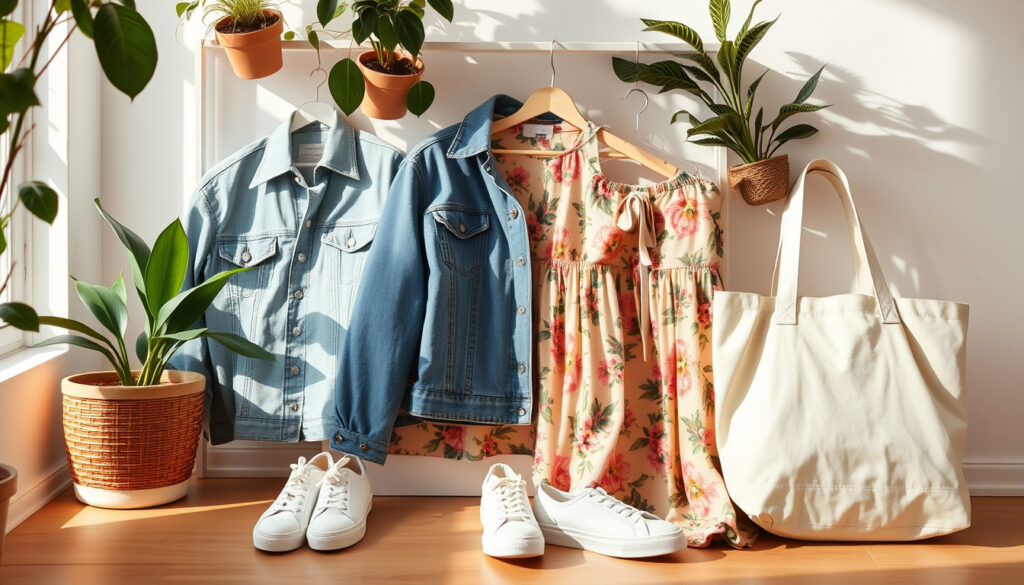
- Choose three layers or pairs of shoes – e.g., a denim jacket, a blazer, white sneakers.
- Mix and match – you can create 27+ distinct outfits from nine pieces.
A typical girl next door outfit pairs jeans with a simple top and minimal accessories (Wilde Cherry). The 3‑3‑3 rule makes this repeatable without looking repetitive.
What is the 3‑3‑3 rule in fashion?
The 3‑3‑3 rule is a capsule wardrobe framework that limits you to 3 tops, 3 bottoms, and 3 shoes or layers (Stitch Fix). It’s not a strict law—it’s a starting point for building a cohesive, mix‑and‑match wardrobe that aligns with the girl next door ethos of simplicity.
Why the 3‑3‑3 Rule in Fashion Is the Next Big Trend
Minimalism has been building for years, and the 3‑3‑3 rule frames it as a concrete, achievable action. Social media buzz around the method (combined with the broader 2026 shift toward comfort and simplicity) suggests it could become the defining wardrobe strategy of the season (Instagram trend report; Woman & Home).
The 3‑3‑3 rule works beautifully for the girl next door look, but it may feel too restrictive for women who love variety. The trade‑off: you gain simplicity and reduce decision fatigue, but you lose the dopamine hit of daily novelty.
What are the 4 female archetypes?
Fashion writers and stylists often group women’s style personas into four archetypes, with the girl next door as one of them. The exact lineup varies, but a common split includes the girl next door, the femme fatale, the classic, and the bohemian or the boss (Wilde Cherry).
Four archetypes, one clear contrast: the girl next door vs. the femme fatale.
| Archetype | Core vibe | Key garments | Makeup approach |
|---|---|---|---|
| Girl next door | Approachable, natural | Jeans, tees, knits, casual dresses | Minimal, fresh‑faced |
| Femme fatale | Mysterious, bold | Bodycon, leather, red lip | Smoky eyes, statement lip |
| Classic | Timeless, polished | Blazers, silk blouses, tailored trousers | Neutral, defined brows |
| Boss | Authoritative, sharp | Power suits, structured bags, heels | Professional, minimal |
The catch: archetypes are short‑hand, not boxes. Most women borrow from two or three; the girl next door core of simplicity and approachability can anchor a wardrobe that still includes a leather jacket or a silk top.
What are the differences between the girl next door and other archetypes?
The girl next door is the least constructed of the four. Where the boss relies on strong tailoring and the femme fatale on overt sex appeal, the girl next door succeeds by looking like it happened without effort. That doesn’t mean it’s plain—it means the polish is hidden in the fit and fabric, not in obvious styling tricks.
The girl next door archetype is often dismissed as boring, but it consistently ranks as one of the most universally flattering styles. The simplicity is the point: it makes the person, not the outfit, the focus.
The trade‑off: you give up the instant recognition of a bold look for the long‑term advantage of always looking appropriate and approachable.
What style is coming back in 2026?
After years of Y2K maximalism and quiet luxury, 2026 is swinging back toward minimalism with a soft, comfortable edge. The girl next door aesthetic is a natural fit for this shift (Stitch Fix).
- Elevated Workwear: Wide‑leg pants, longer skirts, and vests in neutrals like white, black, tan, and navy (Stitch Fix).
- Coastal Casual: Comfort‑focused capsule pieces with excellent construction (Stitch Fix).
- Farmer’s Market: Gingham prints, woven accessories, and comfortable sandals for an unfussy boho feel (Stitch Fix).
- Pantone’s Cloud Dancer White: Soft neutrals dominate Spring/Summer 2026 palettes (Woman & Home).
How does the girl next door style fit into 2026 trends?
The girl next door wardrobe—jeans, tees, knits, casual dresses—aligns perfectly with the 2026 emphasis on comfort and simplicity. The 3‑3‑3 rule is essentially a structured version of what the archetype already does naturally: rely on a small, versatile set of pieces (Stitch Fix).
“Gingham prints, woven accessories and comfortable sandals add charm while keeping things effortless.”
– Stylist Jackie, via Stitch Fix
The implication: the girl next door style isn’t a retro throwback—it’s a practical foundation for the direction fashion is heading.
How should a 40 year old woman dress?
The girl next door aesthetic adapts well to any age by shifting from trendy cuts to classic fits and better fabrics. For women over 40, the focus should be on quality staples that flatter without chasing youth (Wilde Cherry).
- Invest in excellent denim – a pair of well‑fitting straight or boot‑cut jeans.
- Swap graphic tees for fine knits – cashmere or merino crewnecks in neutrals.
- Add a blazer – a soft‑shouldered blazer elevates jeans and a tee instantly.
- Choose quality over quantity – the capsule approach of 3‑3‑3 works especially well for older women who want a less cluttered closet.
What do Gen Z girls wear?
Gen Z embraces oversized and vintage elements within the girl next door framework: baggy jeans, cropped tees, New Balance Buy Online sneakers, and thrifted blazers (Instagram trend report). The core remains approachable and comfortable, but with a looser, more experimental silhouette.
How can older women adapt the girl next door look?
The same blueprint works at 50 as at 25: start with three bottoms (e.g., dark denim, a midi skirt, tailored trousers), three tops (a silk blouse, a fine knit, a white tee), and three layers (a trench, a blazer, a cashmere cardigan). The difference is fit—opt for more structure and slightly higher‑end fabrics (Woman & Home).
The girl next door style has no expiration date because it’s built on proportion and fabric, not age‑specific trends. A 40‑year‑old woman in a well‑cut knit and great jeans reads as confident, not conservative.
The pattern: across generations, the girl next door look is less about specific pieces and more about the attitude of approachable ease. Gen Z adds volume and vintage; women over 40 add polish and fabric quality. Both achieve the same effect.
“Channel soft, ballet‑inspired styling with pieces that balance movement and polish.”
– Stylist Caro, via Stitch Fix
Confirmed facts
- The girl next door archetype prioritizes approachability and natural beauty (Wilde Cherry)
- The 3‑3‑3 rule is a capsule wardrobe method (3 tops, 3 bottoms, 3 layers/shoes) (Stitch Fix)
- 2026 trends include simple whites, loose silhouettes, and monochrome outfits (Instagram)
- Pantone’s Cloud Dancer White will influence Spring/Summer 2026 (Woman & Home)
What remains unclear
- Whether the 3‑3‑3 rule will become a dominant 2026 trend or remain a niche strategy
- Whether the four‑archetype system is consistent across style authorities
The evidence so far points to the girl next door style as a durable, cross‑generational framework. For women building a wardrobe that lasts more than one season, the choice is clear: invest in a small set of high‑quality staples that make you feel approachable and comfortable, then build around them. The 3‑3‑3 rule is the simplest on‑ramp. The alternatives—trend‑hopping or over‑accessorizing—lead to more cost and less clarity. For the modern woman in 2026, the girl next door blueprint offers a path to personal style that is both timeless and trend‑ready.
Frequently asked questions
Can the girl next door style be worn to formal events?
Yes, by swapping jeans for a midi skirt or tailored trousers and layering with a structured blazer or silk top. The principle of approachable simplicity still applies—avoid heavy embellishment and let good fit do the work.
What colors are typical for this style?
Neutrals like white, cream, navy, and tan form the base, with occasional soft pastels or muted earth tones. Bright colours are used sparingly as accents (Woman & Home).
Is the girl next door style sustainable?
By encouraging fewer, better‑quality pieces and a capsule approach, it aligns well with slow‑fashion principles. The 3‑3‑3 rule directly reduces overconsumption (Stitch Fix).
How many pieces do I need for a girl next door capsule?
Start with 9 core pieces using the 3‑3‑3 rule. Many women find 15–20 items (including outerwear and accessories) enough for a full seasonal capsule.
Can men wear girl next door style?
The archetype is gender‑neutral in practice. A man’s version includes well‑fitting jeans, plain tees, casual button‑downs, and minimal sneakers—same principles of simplicity and approachability.
Does the style suit all body types?
Yes. The focus on good fit and simple silhouettes makes it adaptable—curvy, petite, tall, or plus‑size women can all achieve the look by choosing cuts that flatter their frame (Wilde Cherry).
What is the difference between girl next door and normcore?
Normcore deliberately rejects style in favour of bland, utilitarian clothing. Girl next door is intentional simplicity—pieces are chosen for fit and quality, not for anti‑fashion statement.
More related posts
 What Time is Taco Tuesday in Steal a Brainrot? 3 PM PST / 6 PM EST
 Millie Elder-Holmes – Laxative Poisoning Case and Sentence
 Pakistan vs West Indies 2026: Schedule & Babar Azam Return
 Flights Hamilton to Wellington: Direct, Cheap & Timetable Guide
 Liam Lawson Net Worth: Salary, Earnings & Family 2026
 LP Gas Near Me: Ireland Prices, Suppliers & Filling Station Map
 USD to NZD Current Exchange Rate – Live Rates & Forecast
 Auckland to Christchurch Flights: Times, Cost & Tips