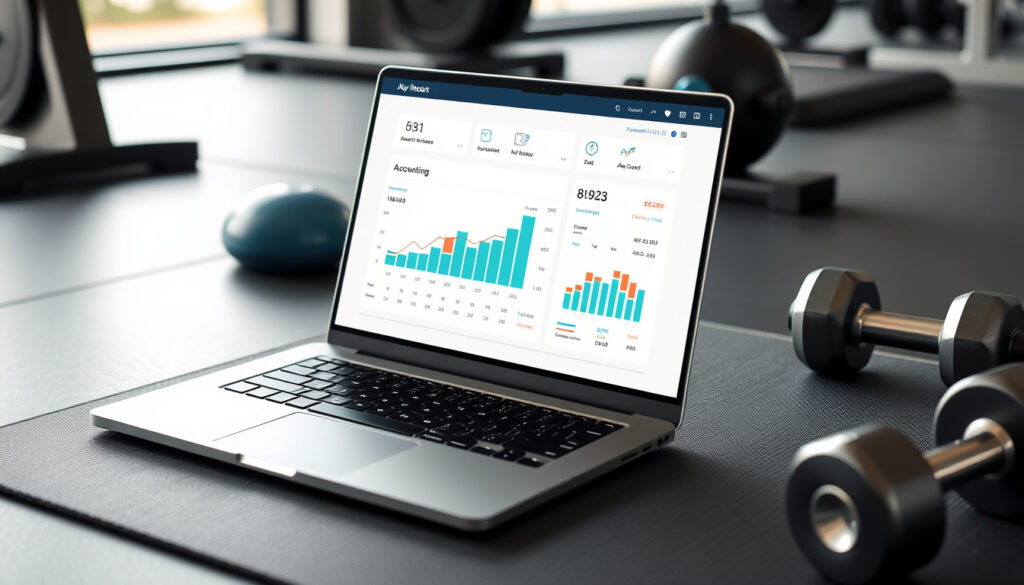
Accounting Software for Personal Trainers – Top 2025 Picks
Managing finances ranks among the most critical yet time-consuming responsibilities for personal trainers operating their own businesses. From tracking client payments to handling tax obligations and maintaining detailed expense records, the financial side of running a fitness practice demands reliable tools. Accounting software designed for personal trainers can streamline these tasks significantly, allowing fitness professionals to focus more on their clients and less on spreadsheets. Understanding which solutions best address the unique needs of the fitness industry requires careful evaluation of features, pricing structures, and integration capabilities.
Small fitness businesses and sole proprietors face specific challenges that general accounting software may not adequately address. Client invoicing, recurring billing for training packages, integration with fitness-specific management platforms, and tax reporting for self-employed individuals all represent essential functionality requirements. The market has responded with several cloud-based solutions tailored to service-based businesses, though each option presents distinct advantages and limitations worth examining in detail.
This guide evaluates the leading accounting software options currently available for personal trainers, providing practical comparisons to help fitness professionals make informed decisions about their financial management tools.
What is the Best Accounting Software for Personal Trainers?
Industry research and user feedback consistently identify four primary accounting solutions that address the financial management needs of personal trainers and small fitness businesses. Each platform offers distinct features tailored to different business scales and operational requirements.
| Software | Key Features for Trainers | Pricing Tier | Best For |
|---|---|---|---|
| QuickBooks Online | Invoicing, payments, financial reports, Trainerize integration | $35–$235/month | Solo trainers to growing studios |
| Xero | Bank feeds, expense tracking, tax automation, mobile-friendly | $15–$78/month | Early-stage trainers, sole proprietors |
| Wave | Unlimited invoicing, bookkeeping, tax reports (free basics) | $0–$350/month | Budget-conscious trainers |
| FreshBooks | Recurring invoicing, time tracking, expense management | $19–$62/month | Growing studios with billing needs |
Key Insights for Choosing Accounting Software
- Cloud-based accounting eliminates the need for desktop software and enables access from any location through mobile devices or web browsers.
- Integration capabilities with fitness management platforms like Trainerize significantly reduce manual data entry and improve workflow efficiency.
- Bank feed functionality allows automatic transaction import, saving considerable time on expense tracking and reconciliation.
- Tax automation features help self-employed trainers meet quarterly obligations without extensive accounting knowledge.
- Scalability matters for growing fitness businesses, with most platforms offering tiered pricing that accommodates expansion.
- Invoicing and payment processing features directly impact cash flow management for service-based training businesses.
- Multi-currency support becomes relevant for trainers working with international clients or operating across borders.
| Top Recommended Option | Xero (specifically designed for trainers and sole proprietors) |
| Market Position | Cloud-based solutions dominate for small fitness businesses |
| Primary User Need | Tax preparation and expense tracking for self-employed professionals |
| Pricing Starting Point | Free to $15/month for entry-level options |
| Integration Importance | Trainerize connectivity rated as highly valuable by fitness businesses |
Is Xero the Right Accounting Software for Personal Trainers?
Xero has established itself as a particularly well-suited accounting solution for personal trainers and fitness professionals operating as sole proprietors or small businesses. The platform’s design philosophy emphasizes simplicity and automation, which aligns directly with the needs of self-employed trainers who typically handle their own finances without dedicated accounting staff.
Core Features That Benefit Fitness Professionals
The platform offers robust invoicing capabilities that allow trainers to create professional bills for services, track payment status, and send automated reminders for overdue accounts. Expense claiming works seamlessly through receipt capture and categorization, enabling trainers to maintain detailed records for tax deductions without extensive manual effort.
Bank feed functionality represents one of Xero’s strongest features for personal trainers. By connecting directly to business bank accounts, the software automatically imports transactions, reducing the time spent on manual data entry and helping ensure accurate financial records. This automation proves especially valuable during tax season when organizing financial documentation becomes time-critical.
Tax automation features built into Xero help trainers stay compliant with reporting requirements. The platform generates necessary reports for income tracking and expense categorization, supporting both quarterly estimated taxes and annual filing obligations. According to Xero’s official guidance for personal trainers, the software helps users claim expenses and set up bank feeds that streamline ongoing financial management.
Xero connects with Stripe for payment processing, Gusto for payroll services, and Vend POS for point-of-sale operations. For trainers using fitness-specific management software, these connections create opportunities to synchronize client billing with financial records automatically.
Considerations Before Choosing Xero
While Xero offers numerous advantages, the platform does present some limitations worth considering. Payroll features remain more limited compared to dedicated payroll solutions, which matters for trainers employing staff members. The software’s pricing tiers mean that advanced features require higher subscription levels, potentially increasing costs as business needs grow.
Learning the interface may require some initial time investment, particularly for trainers without prior accounting software experience. However, the clean interface design and customizable reporting help offset this learning curve, with many users reporting proficiency within the first few weeks of regular use.
What About PocketSmith and Other Options for Trainers?
While PocketSmith does not appear in dedicated reviews for personal trainers, the platform aligns with personal finance needs that some sole proprietor fitness professionals may have. The software focuses on cash flow forecasting and budget planning, offering features that help individuals understand their financial patterns over time.
Alternative Solutions Worth Considering
Several other accounting tools have found adoption among personal trainers, particularly those with specific operational requirements or budget constraints.
PocketSmith maintains active development and regular feature updates, though specific testimonials from personal trainers remain limited in available reviews. Trainers interested in this platform should evaluate its features against their specific financial management needs through trial access.
QuickBooks Online represents the most widely adopted accounting solution among small businesses generally, and personal trainers have shown strong adoption rates as well. The platform’s popularity stems from its user-friendly approach designed specifically for non-accountants. Integration with Trainerize enables seamless data synchronization between client management and financial records, a combination that growing fitness studios frequently find valuable.
FreshBooks appeals particularly to service-based businesses, and personal training fits squarely within this category. The platform excels at recurring invoicing, which matches the package-based billing common among trainers offering multi-session packages or monthly subscriptions. Time tracking features also benefit trainers who charge hourly rates or need to track time spent on consultations and program design.
Wave occupies a unique position as the only major accounting platform offering genuinely free core functionality. For trainers just starting their businesses or those operating with minimal margins, Wave provides essential accounting features without subscription costs. The platform includes unlimited invoicing, estimates, bills, bookkeeping tools, and basic tax reporting capabilities.
Cloud-Based Accounting Software for Small Fitness Businesses
The shift toward cloud-based accounting reflects broader technology trends affecting how small businesses manage their operations. For personal trainers and fitness professionals, cloud solutions offer particular advantages related to mobility, automatic updates, and accessibility across multiple devices.
Benefits of Cloud Accounting for Fitness Professionals
Personal trainers frequently work across multiple locations—client homes, commercial gyms, outdoor spaces, or dedicated studios. Cloud-based accounting software enables financial management from any location with internet access, eliminating the constraints of desktop-only applications that require physical presence at a specific computer.
Automatic data backup represents another significant advantage. Financial records stored in cloud servers remain protected against local computer failures, theft, or damage. This reliability provides peace of mind for trainers who may not maintain regular backup procedures for traditional desktop software installations.
Software updates occur automatically with cloud solutions, ensuring that trainers always access the latest features and security patches without manual intervention. This hands-off approach to maintenance proves valuable for busy professionals who may not have time to manage software installations and updates regularly.
Both Xero and QuickBooks offer robust mobile applications that allow trainers to invoice clients, capture receipts, and review financial summaries directly from their smartphones. This capability proves especially useful immediately after sessions when recording expenses or sending invoices while details remain fresh.
Integration with Fitness Management Platforms
The connection between accounting software and client management platforms has become increasingly important for efficient fitness business operations. Trainerize, a leading client management solution for personal trainers, offers direct integration with QuickBooks Online, enabling automatic synchronization of financial data between the two platforms.
This integration eliminates duplicate data entry and reduces the risk of errors that can occur when manually transferring information between separate systems. For trainers managing multiple clients and processing regular payments, this automation saves meaningful time while maintaining accurate financial records.
Other fitness management platforms like PT Distinction complement accounting needs through their own feature sets, though direct accounting software links may vary. Mindbody and similar scheduling platforms often connect with payment processors like Stripe, which can then integrate with accounting software for comprehensive financial oversight.
Understanding Pricing and Value for Personal Trainers
Pricing structures among accounting platforms vary significantly, with options ranging from completely free to several hundred dollars monthly. Understanding what each tier offers helps personal trainers select solutions that match their budget while accessing necessary functionality.
| Software | Starting Price | Premium Tiers | Value Consideration |
|---|---|---|---|
| Wave | $0/month | Up to $350/month (Ultimate) | Free basics sufficient for most new trainers |
| Xero | $15/month (Early plan) | $78/month (Established) | Flexible growth with business expansion |
| FreshBooks | $19/month | $62/month (Advanced) | Invoicing features justify pricing |
| QuickBooks | $35/month | Up to $235/month | Comprehensive features at higher tiers |
Wave’s revenue-dependent pricing model for advanced features means that successful trainers using the free tier may eventually face substantial costs as their businesses generate more transaction volume. However, the free tier genuinely covers essential accounting needs for early-stage fitness businesses, making Wave an attractive starting point.
What We Know and What Remains Uncertain
Evaluating accounting software for personal trainers requires acknowledging both established facts and areas where uncertainty persists. Being clear about this distinction helps readers form realistic expectations about their own software selection process.
| Established Information | Areas of Uncertainty |
|---|---|
| Xero and QuickBooks rank among most-reviewed solutions for fitness professionals | 2025-specific pricing and feature updates require current verification |
| Trainerize integration with QuickBooks confirmed and documented | PocketSmith adoption rates among personal trainers remain unclear |
| Wave offers genuinely free core accounting features | Long-term pricing trajectory for Wave’s revenue-dependent tiers |
| All major platforms generate standard tax reports (P&L, income/expenses) | Specific NZ-market feature availability varies by source |
| Cloud solutions provide mobile access and automatic backups | Individual trainer satisfaction ratings require direct survey data |
The question of which software represents the “best” choice ultimately depends heavily on individual circumstances including business size, client volume, specific feature requirements, and existing software ecosystems. Trial periods offered by most platforms provide the most reliable method for determining which solution genuinely fits a particular trainer’s needs.
Why Accounting Software Matters for Fitness Professionals
Personal trainers operating as independent contractors or sole proprietors carry full responsibility for their financial management, unlike employees who have taxes withheld automatically. This self-employed status means that effective accounting practices directly impact both legal compliance and actual take-home income. Managing business finances properly also helps trainers understand their profit margins and make informed decisions about scaling their practice, which is why many look for tools that help estimate take-home pay alongside their accounting software.
Accurate expense tracking enables trainers to claim legitimate tax deductions, reducing taxable income and increasing available funds. Categories like equipment purchases, continuing education, professional memberships, and business-related travel all represent potential deductions that require proper documentation. Accounting software simplifies this documentation process by enabling receipt capture and automatic categorization.
Professional invoicing also affects client relationships and cash flow stability. Clear, timely invoices presented through accounting software demonstrate business professionalism while reducing payment delays that can strain personal finances. For trainers building studios or expanding their client base, this professional image becomes increasingly important for business growth.
Financial reporting capabilities help trainers understand the true economics of their businesses. Knowing profit margins per service type, tracking seasonal revenue patterns, and understanding expense distribution all inform better business decisions. This financial clarity supports strategic choices about pricing, service offerings, and growth investments.
What Experts and Sources Say About Accounting Tools
Xero specifically targets personal trainers and sole proprietors, emphasizing features like expense claiming and bank feed setup that address the daily accounting needs of fitness professionals.
QuickBooks Online combines with Trainerize to create an integrated system where client program sales flow directly into accounting records, reducing administrative burden for growing fitness studios.
Industry publications and fitness business resources consistently recommend evaluating accounting software based on specific criteria relevant to service-based businesses. The consensus suggests prioritizing ease of use, integration capabilities with existing tools, and pricing transparency when selecting financial management platforms.
Next Steps for Personal Trainers
Selecting accounting software ultimately requires personal evaluation based on individual business circumstances. Most platforms offer free trial periods ranging from 14 to 30 days, providing opportunities to test interface usability, feature availability, and overall fit before committing financially.
- Identify specific accounting needs including invoicing frequency, expense tracking requirements, and tax reporting complexity.
- Evaluate integration requirements with existing fitness management software and payment processors.
- Test at least two or three top candidates through available free trials, focusing on daily workflow compatibility.
- Consult with an accountant familiar with fitness industry clients for professional guidance on record-keeping requirements.
- Consider starting with lower-cost options like Wave for new businesses and upgrading as needs evolve.
- For trainers interested in broader financial planning, tools like the Take Home Pay Calculator NZ can complement accounting software by providing income estimation capabilities.
The right accounting software should reduce financial management burden rather than add complexity. Personal trainers who invest time in selecting appropriate tools upfront typically find that the efficiency gains and reduced stress justify the subscription costs many times over.
Frequently Asked Questions
What features should personal trainers prioritize in accounting software?
Personal trainers should prioritize invoicing capabilities, expense tracking with receipt capture, bank feed integration for automatic transaction import, and tax report generation. Integration with fitness management platforms like Trainerize also ranks as highly valuable for many trainers.
Is free accounting software sufficient for new personal trainers?
Wave offers genuinely free core features that adequately cover basic accounting needs for new trainers. However, as client volume and transaction complexity increase, paid platforms may offer better functionality and efficiency.
How does accounting software help with tax preparation for self-employed trainers?
Accounting software automatically categorizes income and expenses throughout the year, generates required tax reports like profit and loss statements, and maintains organized records that simplify quarterly estimated payments and annual filing.
Can accounting software integrate with fitness client management platforms?
Yes, several integrations exist. QuickBooks Online connects directly with Trainerize, allowing client payment and program data to flow automatically into accounting records. Other connections between accounting software and fitness platforms vary by provider.
What monthly cost should a personal trainer expect for accounting software?
Pricing ranges from $0 for Wave’s free tier to $15-35/month for entry-level plans from Xero, QuickBooks, and FreshBooks. Higher-tier features can reach $60-235/month depending on the platform and business size.
Is cloud-based accounting software secure for financial data?
Cloud accounting platforms typically employ bank-level encryption, regular security audits, and automatic data backup procedures that exceed what most individuals implement for their own records. Major providers like Xero and QuickBooks maintain dedicated security teams.
Which accounting software works best for personal trainers with multiple income streams?
QuickBooks and FreshBooks excel at handling diverse income types through their categorization systems. Xero offers multi-currency support that benefits trainers working internationally, and all three platforms can track different service types separately.
More related posts
 What Is an Email Alias – Definition, Setup and Privacy Benefits
 What Time is the All Blacks Game? Kickoff Times & TV Guide
 Auckland to Christchurch Flights: Times, Cost & Tips
 Stuff New Near New Zealand: Late t Breaking New & Update
 Veon 32 Inch TV: Is It a Smart TV? Specs & Buyer Guide
 Bayern Munich vs Chelsea F.C. Lineups: Confirmed XI
 One New Zealand Stadium: Te Kaha Capacity, Events & Ownership
 Keppler Hamilton Unpaid Taxes: $1M Debt Leads to Liquidation