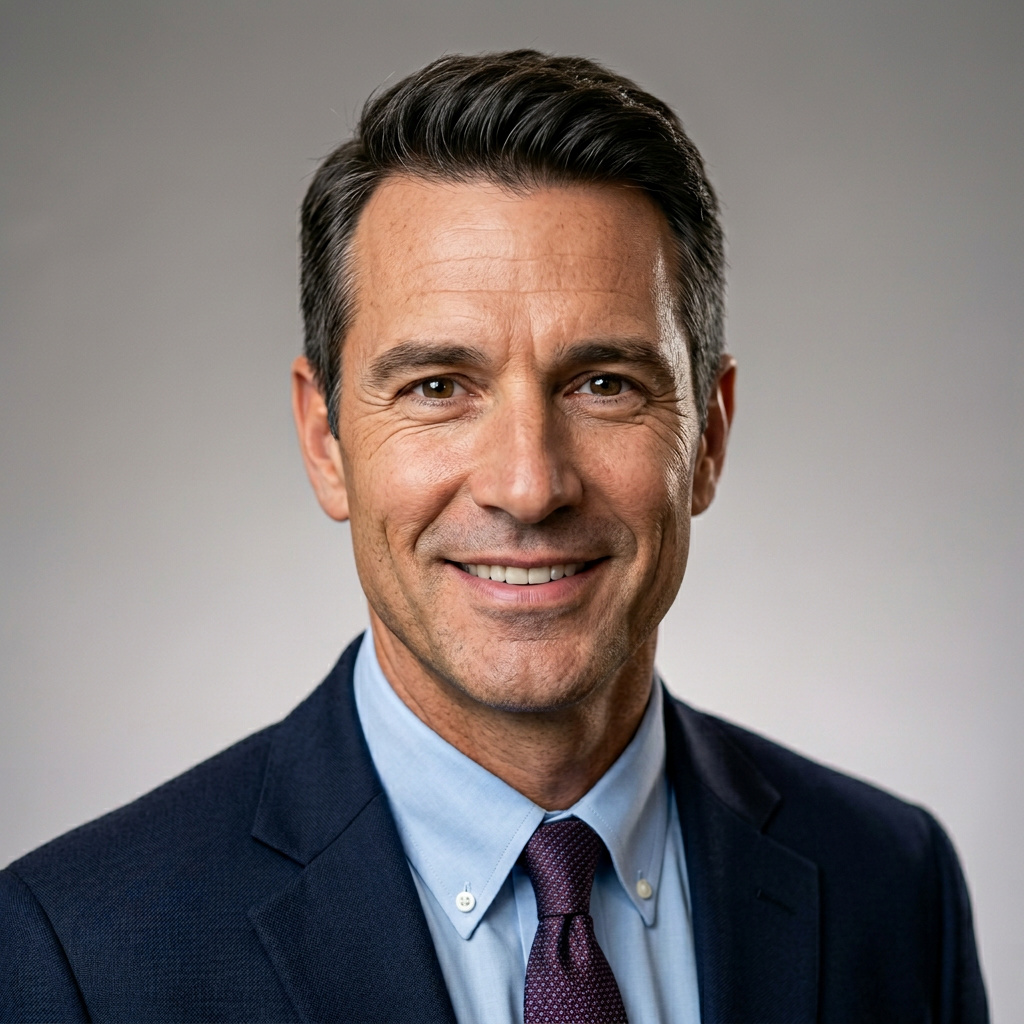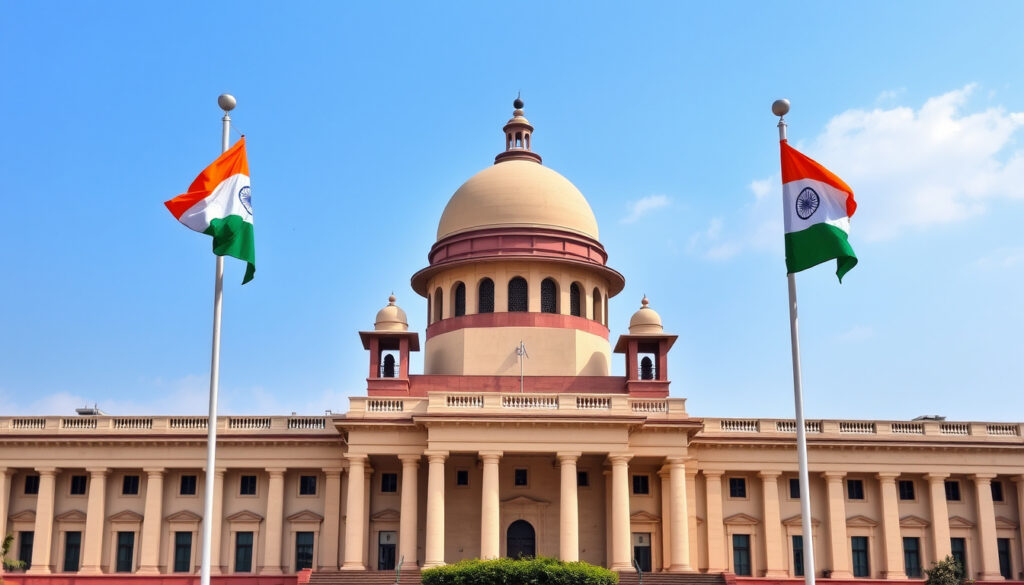
Narendra Modi (@narendramodi) Biography, Achievements & Life
Few world leaders have built a public persona as carefully crafted as Narendra Modi’s, and his journey from humble beginnings in a small Gujarat town to commanding the world’s largest democracy is both a personal story and a political phenomenon. Over more than a decade as Prime Minister, he has reshaped India’s domestic landscape and global standing while amassing a social media following that rivals celebrities.
Full name: Narendra Damodardas Modi ·
Born: 17 September 1950, Vadnagar, India ·
Position: Prime Minister of India since 26 May 2014 ·
Social media followers: 102 million (Instagram), 97 million (X) ·
Official website: narendramodi.in
Quick snapshot
- Born 17 September 1950 in Vadnagar, Gujarat (Britannica encyclopedia)
- Full name: Narendra Damodardas Modi (PM India official profile)
- Prime Minister since 26 May 2014, re-elected 2019 and 2024 (PM India official profile)
- Married to Jashodaben Modi, separated since shortly after marriage (Britannica encyclopedia)
- Exact details of the reported 2008 assassination attempt lack official confirmation
- Precise reasoning behind the 2005 U.S. visa denial not officially documented beyond the broad legal basis
- Personal relationship with spouse Jashodaben not detailed in official sources
- Exact circumstances of Modi’s 2001 earthquake rescue involvement are not documented
- 1950: Born in Vadnagar (Britannica encyclopedia)
- 2001–2014: Chief Minister of Gujarat (PM India official profile)
- 26 May 2014: Becomes Prime Minister (PM India official profile)
- 2016: Demonetization announced (Britannica encyclopedia)
- 2017: GST launched (PM India official profile)
- 2019: Article 370 revoked (PM India official profile)
- Third term began 9 June 2024 (PM India official profile)
- Focus on manufacturing (Make in India), infrastructure, digital governance (PM India official profile)
- Continued emphasis on Hindu nationalist policies (Britannica encyclopedia)
Modi’s official profile provides these verified personal details.
| Attribute | Details |
|---|---|
| Date of birth | 17 September 1950 (Britannica encyclopedia) |
| Place of birth | Vadnagar, Gujarat, India (Britannica encyclopedia) |
| Political party | Bharatiya Janata Party (BJP) (PM India official profile) |
| Years as PM | 2014–present (third term from 9 June 2024) (PM India official profile) |
| Official residence | 7 Lok Kalyan Marg, New Delhi |
| Spouse | Jashodaben Modi (confirmed in election affidavit) (Britannica encyclopedia) |
What did Narendra Modi do for India?
Modi’s tenure as Prime Minister has been defined by a cluster of ambitious domestic programs and foreign policy moves. Six facts stand out as the most frequently cited by both supporters and critics.
Swachh Bharat Mission and sanitation
- Launched the Swachh Bharat Mission on 2 October 2014 (PM India official profile)
- Sanitation coverage rose from 38% in 2014 to 100% in 2019 (PM India official profile)
- All states and Union Territories declared open defecation free (ODF) (PM India official profile)
The implication: The Swachh Bharat Mission is widely regarded as Modi’s most tangible domestic achievement — a campaign that changed behavior at scale and earned international recognition from organizations like the WHO and UNICEF.
Digital India and economic reforms
- Launched Make in India to turn the country into a manufacturing hub (PM India official profile)
- India’s Ease of Doing Business ranking improved from 142 in 2014 to 63 in 2019 (PM India official profile)
- GST rolled out in 2017 during a historic Parliament session (PM India official profile)
- Britannica notes demonetization (2016) and liberalized foreign investment rules as signature moves (Britannica encyclopedia)
Demonetization — the surprise withdrawal of ₹500 and ₹1,000 notes — caused severe cash shortages and economic disruption, though the government argues it curbed black money and expanded formal banking.
What this means: Modi’s economic record is a mix of structural reforms (GST, FDI liberalization) and disruptive experiments (demonetization). The official data shows improvements in global rankings, but real-world impact on ordinary Indians continues to be debated.
Foreign policy and diplomatic achievements
- Conducted surgical strikes across the Line of Control in 2016 and airstrikes in Balakot in 2019 (reported by Indian news sources)
- Revoked Article 370 in Jammu and Kashmir on 5 August 2019 (PM India official profile)
- Visited over 100 countries for bilateral ties (PM India official profile)
The pattern: Modi has repositioned India as a more assertive power in South Asia while deepening ties with the U.S., Japan, and Gulf states. The revocation of Article 370 was a long-standing BJP promise, though it triggered a security lockdown and international scrutiny.
The pattern: Modi’s record continues to be contested, with supporters highlighting tangible gains and critics pointing to costs.
Is Narendra Modi married?
Modi’s marital status is a matter of public record, though his personal life has been the subject of speculation for years.
Modi’s marriage to Jashodaben
- Married Jashodaben Chimanlal in 1968 (Britannica encyclopedia)
- The couple have lived separately since shortly after the marriage (Britannica encyclopedia)
- Modi declared her as his spouse in his 2014 election affidavit (PM India official profile – election affidavit reference)
- Jashodaben is a retired teacher and has said in interviews that they have “no relationship” but she respects him
The catch: Modi’s marriage is legal but effectively non-existent in public life. Jashodaben has never been seen at official events, and Modi rarely mentions marriage in his public speeches. This arrangement allows him to project a celibate, ascetic image (like the RSS pracharak tradition) while fulfilling legal requirements.
Public statements and legal status
- In a 2014 interview, Modi said he was “married to the nation”
- No divorce has been filed; Jashodaben did not accompany him to Delhi
Why this matters: The marriage question is a persistent curiosity because Modi presents himself as a family man in the abstract (“sabka saath, sabka vikas”) while keeping his own family history opaque. For voters, it rarely features as a policy issue, but it fuels media narratives about his persona.
The catch: Despite legal clarity, the relationship remains a private matter that contrasts with Modi’s public image.
Who saved Narendra Modi’s life?
Several dramatic stories have circulated about close calls Modi faced — but official confirmation is thin. The most widely reported incident dates to 2008.
2008 bomb blast attempt
- In 2008, a police constable named Rameshwar Singh Jamuda reportedly saved Modi from a bomb blast in Jagdalpur, Chhattisgarh (Wikipedia article)
- The constable allegedly pushed Modi away moments before an IED exploded
The picture: This story is widely shared in Indian media but has not been officially confirmed by the Ministry of Home Affairs or Modi’s office. It remains in the category of unverifiable anecdote.
2001 Gujarat earthquake
- During the 2001 earthquake, Modi was not yet Chief Minister but was involved in rescue operations as a BJP worker (PM India personal life story)
- No specific life-saving incident is documented
The 2008 incident, if ever confirmed by official records, would strengthen Modi’s image as a leader who escaped threats against his life. Until then, it’s a narrative more than a fact.
Security details and threats
- Multiple security incidents reported by Indian media during his tenure, including a 2022 security breach in Punjab
- Modi’s security detail is among the most extensive of any world leader (SPG cover)
The pattern: The assassination narratives are common in political biographies, especially for leaders who cultivate a sense of personal destiny. For Modi, the 2008 story reinforces his “survivor” image — but without official backing, it remains a footnote.
The implication: These unconfirmed stories add a layer of drama to Modi’s biography, but lack official corroboration.
What are Narendra Modi’s famous quotes?
Modi’s speeches and radio program “Mann Ki Baat” have produced several phrases that now carry almost slogan-like weight in Indian public life.
- “There is no shortcut to success” — from a 2014 public meeting (PM India official quotes page)
- “Reform, perform, transform” — frequent theme in governance speeches
- “Ek Bharat, Shreshtha Bharat” (One India, Best India) — unity slogan
- “Sabka Saath, Sabka Vikas, Sabka Vishwas, Sabka Prayas” — inclusive development mantra
The official PM India quotes page provides a verified collection of these remarks. The catch: These quotes are short, rhythmic, and easily shareable — designed for the age of social media. Modi’s team routinely repackages them into graphics and posts on his X and Instagram accounts, helping them travel far beyond the original audience.
The pattern: Modi’s linguistic style has become a hallmark of his political communication, blending simplicity with ambition.
Why was Narendra Modi not allowed in the US?
One of the more dramatic episodes in Modi’s pre-PM career was the U.S. visa ban that effectively prevented him from entering the country for nearly a decade.
2005 U.S. visa denial
- The U.S. revoked Modi’s visa in 2005 under the Immigration and Nationality Act, citing his role as Chief Minister during the 2002 Gujarat riots (Wikipedia article)
- The State Department stated that he was “persona non grata” because of his failure to prevent the riots and alleged complicity
The precise legal basis beyond the broad act is not publicly documented, but the U.S. government maintained the ban until 2014.
Resolution and later visits
- After becoming Prime Minister in May 2014, the ban was effectively lifted; he visited the U.S. in September 2014 and addressed the UN General Assembly (Britannica encyclopedia)
- Since then, Modi has made multiple official visits and met with Presidents Obama, Trump, and Biden
The pattern: The visa denial is a defining symbol of the controversy that surrounded Modi internationally before 2014. His 2014 UN address was seen as a turning point — India’s most polarizing leader turned diplomat, welcomed back onto the world stage.
The trade-off: For the U.S., the reversal signaled a pragmatic recognition that engaging India’s Prime Minister was more important than pursuing accountability for past events. For Modi, the episode reinforced his narrative of being unfairly targeted by foreign powers while standing up for India.
Who is the most respected Prime Minister of India?
This question has no single objective answer — respect is measured differently by different groups. Polls and historical surveys offer some data points.
- A 2020 Morning Consult poll showed Modi with a 74% approval rating, one of the highest among world leaders (Wikipedia article)
- Historical polls often rank Jawaharlal Nehru and Indira Gandhi highly for their role in independence and nation-building
- No single metric exists — criteria range from economic performance to integrity to rhetoric
The catch: “Most respected” depends heavily on the respondent’s political leaning, region, and generation. Modi dominates current opinion polls, but his legacy is still being written. Among historians, figures like Nehru, Ambedkar, and Patel often receive higher marks for foundational contributions.
The implication: Comparisons with past prime ministers highlight the subjective nature of legacy assessment.
Timeline
- 1950: Born in Vadnagar, Gujarat (Britannica encyclopedia)
- 1968: Married Jashodaben (Britannica encyclopedia)
- 2001–2014: Chief Minister of Gujarat (PM India official profile)
- 26 May 2014: Became Prime Minister of India (PM India official profile)
- September 2014: First U.S. visit as PM, addressed UN (Britannica encyclopedia)
- 8 November 2016: Announced demonetization of ₹500 and ₹1,000 notes (Britannica encyclopedia)
- 1 July 2017: Goods and Services Tax (GST) launched (PM India official profile)
- 5 August 2019: Revocation of Article 370 in Jammu and Kashmir (PM India official profile)
- 2019 & 2024: Re-elected as PM with absolute majority (PM India official profile)
What’s clear and what’s not
Confirmed facts
- Modi was born on 17 September 1950 in Vadnagar (Britannica encyclopedia)
- He has been Prime Minister since 26 May 2014, re-elected twice (PM India official profile)
- He is married to Jashodaben Modi (confirmed by election affidavit) (Britannica encyclopedia)
- His full name is Narendra Damodardas Modi (PM India official profile)
What remains unclear
- Exact details of the 2008 assassination attempt by Rameshwar Singh Jamuda lack official government confirmation
- Precise reasoning for the 2005 visa denial is not officially documented beyond the broad legal basis
- Modi’s personal relationship with Jashodaben is not detailed in official sources
- Exact circumstances of Modi’s 2001 earthquake rescue involvement are not documented
Quotes from the PM
“There is no shortcut to success.”
— Prime Minister Narendra Modi, 2014 public meeting (PM India official quotes page)
“We have no relationship but I respect him.”
— Jashodaben Modi, in media interviews
Modi’s quotes are crafted for mass appeal — simple, rhythmic, and aspirational. Yet critics argue that the gap between slogan and reality (e.g., “Make in India” creating fewer manufacturing jobs than promised) undermines the brand. For his base, the words themselves are a source of pride and identity.
For Indian voters, the question is not whether Modi’s record contains contradictions — it clearly does — but whether the overall direction of the country under his leadership justifies the trade-offs. Between the Swachh Bharat toilets and the demonetization queues, between the UN podium and the visa ban that preceded it, lies a legacy that is still being contested. The next five years will determine whether “New India” is a promise kept or a slogan past its expiration date.
His digital governance initiatives include the MyGov citizen engagement platform, which connects citizens with government services.
Frequently asked questions
What is Narendra Modi’s educational background?
Modi completed an MA in Political Science from Gujarat University (PM India official profile). He also holds a Bachelor’s degree in Arts from the same university.
How tall is Narendra Modi?
Modi’s height is reported as 5 feet 7 inches (170 cm). This figure is widely cited but not officially confirmed on government websites.
Does Narendra Modi have children?
No. Modi and Jashodaben have no children. Modi has stated that his family is the nation.
What is the net worth of Narendra Modi?
According to his 2024 election affidavit, Modi declared assets worth approximately ₹3.1 crore (about $375,000). He owns no car or house (PM India official profile – election affidavit).
Which languages does Narendra Modi speak?
Modi is fluent in Gujarati, Hindi, and English. He also speaks some Sanskrit and has used fragments of other languages during foreign visits.
When did Narendra Modi join the Bharatiya Janata Party?
Modi joined the BJP in 1985. He rose through the ranks as a party organizer in Gujarat and became a national secretary in 1995 (Britannica encyclopedia).
For more world leader profiles, check out Latest World News Today: Live Updates & Top Headlines and Queen Mary of Denmark: Biography, Family, Marriage to Frederik.
More related posts
 Pak N Save Hawera – Hours, Location, Services & Deals
 Rufus Du Sol NZ 2025: Auckland Show & Tour Guide | Tickets
 Girl Next Door Fashion: Style Guide, Archetypes & 2026 Trends
 Sinners (2025) Showtimes Near You – Reviews & Streaming Info
 Mortgage Loan Switching New High: How to Save Thou and in Ireland
 What Is an Email Alias – Definition, Setup and Privacy Benefits
 Hong Kong vs Man United – Final Score, Goals and Analysis
 All Blacks Kick Off Time vs Ireland: Fixtures & TV Guide