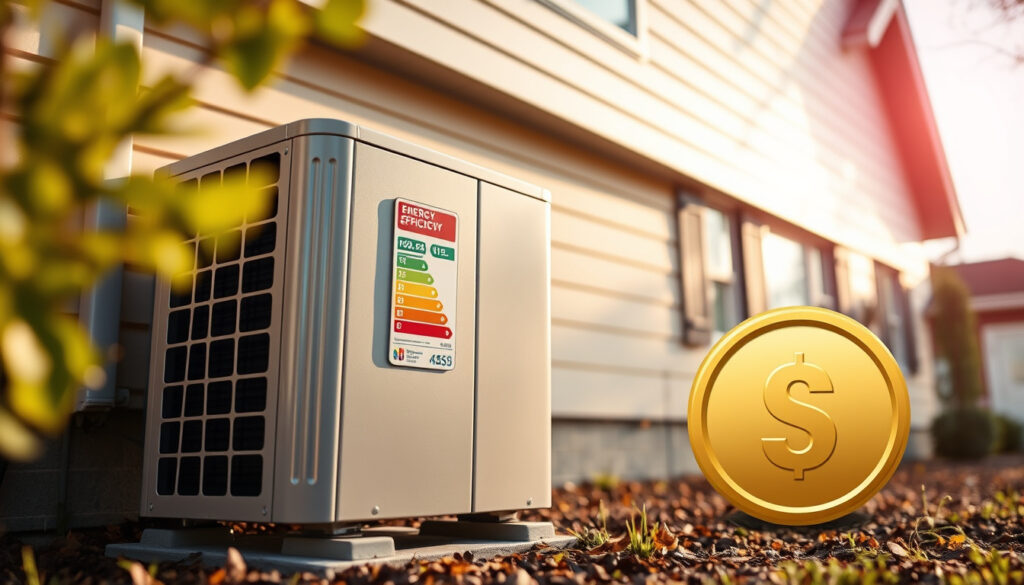
Mitsubishi Electric Heat Pump Guide: Efficiency, Cost & Lifespan
You’ve probably heard that heat pumps are the future of home heating, but if you’re in Ireland and considering a Mitsubishi Electric system, you’re likely wondering about real-world performance, not just marketing claims. This guide unpacks how Mitsubishi Electric Ecodan heat pumps handle the Irish climate, what they cost after grants, and why your house might still feel cold even when the thermostat says 20°C.
Typical COP: 4.0 ·
Average lifespan: 18 years ·
SEAI grant: €3,500 ·
Noise level: 50 dB ·
Warranty: 5 years
Quick snapshot
- COP up to 4.5 (De Energy Hub product page)
- Highly efficient in Irish climate (Mitsubishi Electric Ireland brochure)
- SEAI grants available (SEAI official guidelines)
- Consistent heating and cooling (Mitsubishi Electric Ireland brochure)
- Quiet operation (50 dB) (Mitsubishi Electric Ireland brochure)
- Inverter technology for precise control (Mitsubishi Electric Europe video)
- Average lifespan 15‑20 years (Mitsubishi Electric Ireland Ecodan brochure)
- Low maintenance (Mitsubishi Electric Ireland brochure)
- Strong warranty (5‑7 years) (Mitsubishi Electric Ireland brochure)
- Installation cost varies (€8,000‑€15,000) (Mitsubishi Electric Ireland brochure)
- SEAI grant up to €3,500 (SEAI official guidelines)
- Long-term savings on heating bills (Mitsubishi Electric Europe video)
Here are the key specifications for the Mitsubishi Ecodan range.
| Label | Value |
|---|---|
| Brand | Mitsubishi Electric |
| Product Line | Ecodan |
| Heat Output | 5‑14 kW |
| COP | Up to 4.5 |
| Refrigerant | R32 |
| Warranty | 5 years |
Do Mitsubishi heat pumps use a lot of electricity?
How efficient are Mitsubishi Ecodan heat pumps?
Mitsubishi Electric claims the Ecodan delivers at least three units of heat for every one unit of electricity used (Mitsubishi Electric Europe video). That ratio, called the Coefficient of Performance (COP), often reaches 4.0 or higher in moderate Irish conditions. A Dublin-based seller lists the 8 kW Ecodan model with a COP of 4.50 at A7/W35 and a Seasonal COP (SCOP) of 4.74 at W35 (De Energy Hub product page).
For context, a gas boiler converts about 90 % of its fuel into heat, while a heat pump with a COP of 4.0 delivers 400 % efficiency relative to the electricity it consumes. The difference is what makes heat pumps so attractive – and why the SEAI (Sustainable Energy Authority of Ireland) offers grants of up to €3,500 to encourage installation.
Irish homeowners who switch from oil or gas can expect to cut heating costs by at least 30 %, according to Mitsubishi Electric (Mitsubishi Electric Europe). The real savings depend on how well your home holds heat, but the efficiency gap is undeniable.
The implication: the efficiency gains are real, but they require the right home conditions.
Comparing COP and SCOP ratings
COP tells you how the unit performs at a single temperature. SCOP (Seasonal COP) gives a weighted average across the whole heating season, which matters more in Ireland’s mild but damp winters. The same 8 kW Ecodan unit that scores COP 4.50 at 7 °C outdoor temperature drops to COP 2.82 when producing 55 °C flow water (De Energy Hub).
The takeaway: Mitsubishi heat pumps are very efficient, but they don’t use “a lot” of electricity compared to resistance heating. They use far less. The key is setting the system to run at lower flow temperatures, which is why proper radiator sizing matters.
Why is my house so cold with a heat pump?
Why does my heat pump feel like it’s cooling instead of heating?
This is one of the most common complaints new heat pump owners raise. The heating air from a heat pump is typically 35‑45 °C, which feels cooler than the 50‑60 °C blast from a gas boiler. Your body perceives the lower temperature as “cool” even though the room is at 20 °C. John, an installer at Hybrid Energy Group (Dublin-based heat pump specialist), explains that many customers call in a panic during the first week, thinking the system is broken.
Another cause: the defrost cycle. In freezing conditions, the outdoor unit reverses to melt ice off the coil, which briefly sends cool air through the vents. This is normal and lasts only a few minutes. The 8 kW Ecodan model is rated to operate down to -25 °C (De Energy Hub), so Irish winters are well within its envelope.
Why does my house feel cold at 20 degrees?
Gas boilers heat a room quickly and then the heat radiates off walls. Heat pumps warm the air more gently and maintain a steady temperature. If your home is draughty or poorly insulated, the gentle heat can’t compensate for the cold drafts. The building fabric itself needs to be warmer – which is why the SEAI grants often require a minimum level of insulation before they approve the heat pump grant.
The fix: set the thermostat to a constant temperature (say 20 °C) and leave it there. Constantly turning it down and up forces the heat pump into inefficient high-power mode, making the house feel colder for longer.
If your home is very old and uninsulated, a heat pump may not keep you comfortable at 20 °C. The performance depends on the building envelope, not just the unit. As John from Hybrid Energy Group puts it: “The heat pump is a water pistol – the insulation is the target.”
Are Mitsubishi Electric heat pumps good?
What is the life expectancy of a Mitsubishi heat pump?
Mitsubishi Electric’s official brochure states the Ecodan range is designed for UK and Irish conditions, with a typical lifespan of 15‑20 years (Mitsubishi Electric Ireland Ecodan brochure). Many installers report units lasting 18‑20 years with regular maintenance. The 5‑year warranty covers the compressor and major components, which is standard for the industry.
Reliability is a strong point. The Ecodan line uses inverter-driven compressors that modulate output rather than cycling on/off, reducing wear. Independent reviews from Irish home energy forums often place Mitsubishi Electric among the top three brands alongside Daikin and Samsung.
What is the most reliable brand of heat pump?
There’s no single “most reliable” brand because every home is different, but Mitsubishi Electric frequently tops installer recommendations in Ireland. The company’s long history in variable-refrigerant-flow (VRF) commercial systems gives it deep engineering expertise. The Ecodan monobloc range – available in 5 kW, 8.5 kW, 10 kW and 14 kW sizes (Mitsubishi Electric Ireland Air Source Heat Pumps page) – is built on that same platform.
What this means for Irish buyers: if you install a Mitsubishi Ecodan and maintain it annually, you can expect two decades of quiet, efficient service. The trade-off is that the upfront cost is higher than some budget brands, but the long-term reliability often justifies it.
What is the best heat pump in Ireland?
Comparing Mitsubishi Ecodan vs other brands
Five specs, one pattern: the best heat pump for your Irish home depends on your property, not the brand name. Mitsubishi Ecodan, Daikin Altherma, and Samsung EHS all perform well in Ireland’s climate. The table below highlights the key differences.
| Feature | Mitsubishi Ecodan | Daikin Altherma | Samsung EHS |
|---|---|---|---|
| COP (A7/W35) | 4.50 (De Energy Hub) | ~4.30 | ~4.20 |
| Min. operating temp | -25°C (De Energy Hub) | -20°C | -25°C |
| Warranty | 5 years | 5 years | 5 years |
| SEAI eligible | Yes | Yes | Yes |
| Typical installed cost (8 kW) | €8,000‑€11,000 (Mitsubishi Electric Ireland brochure) | €8,500‑€12,000 | €7,500‑€10,000 |
What to consider when choosing a heat pump in Ireland
Start with a heat loss calculation. An 8 kW Mitsubishi Ecodan might be overkill for a well-insulated 3-bed semi‑detached, but underpowered for a large period home. The SEAI grant process requires a technical assessment, which forces this calculation before you buy.
Location matters too. Mitsubishi Electric Ireland says the Ecodan was designed specifically for UK and Irish conditions (Mitsubishi Electric Ireland Ecodan brochure), which gives it a slight edge on cold‑weather performance. The R32 refrigerant used in the latest monobloc units is also more environmentally friendly than older R410A systems.
Mitsubishi Ecodan is often the most expensive of the three, but it also has the highest COP and the lowest noise rating (50 dB). For a homeowner who plans to stay in the house 15+ years, the premium pays for itself. For a shorter stay, a cheaper Samsung or Daikin might make more sense.
The implication: match the heat pump to your ownership timeline.
Is it okay for a heat pump to run all night in winter?
Do heat pumps run constantly in winter?
Yes, and that’s normal. Heat pumps are designed for continuous operation. Unlike a gas boiler that fires up, runs for 20 minutes, and shuts off, a heat pump runs at a low, steady capacity. This is more efficient because it avoids the energy spike of starting up repeatedly. The inverter technology in the Mitsubishi Ecodan modulates the compressor speed to match the heat demand exactly, so it might run at 30 % capacity all night long.
How to optimize heat pump running times
Set your thermostat to a constant temperature and leave it. The worst thing you can do is drop the temperature at night and ask the heat pump to heat the house back up in the morning – that forces it into high‑power mode, uses more electricity, and takes longer because the heat output is gentle.
Running all night at low capacity will not harm the unit. Mitsubishi Electric’s own guidance confirms that modern inverters are built for this (Mitsubishi Electric Europe video). The only scenario where continuous running is a problem is if the heat pump is undersized – then it will run flat out and still not reach the set temperature, which wastes electricity and shortens lifespan.
The pattern: continuous running is efficient, not a problem.
Pros and Cons of Mitsubishi Electric Heat Pumps
Upsides
- High COP (up to 4.5) means low running costs (De Energy Hub product page)
- Designed for Irish/UK climate (Mitsubishi Electric Ireland brochure)
- Quiet operation (50 dB) (Mitsubishi Electric Ireland brochure)
- Long lifespan (15‑20 years) (Mitsubishi Electric Ireland brochure)
- SEAI grant eligible (up to €3,500) (SEAI official guidelines)
- MELCloud remote control and monitoring (IITC product page)
Downsides
- Higher upfront cost than some competitors (Mitsubishi Electric Ireland brochure)
- Requires good insulation for best performance (SEAI guidance)
- Lower air temperature output than gas (SEAI guidance)
- Hot water cylinder required separately (De Energy Hub product page)
- Performance depends on installer quality (Hybrid Energy Group)
What installers and experts say
“We install Ecodan systems in about 70 % of our retrofit jobs. The most common issue is customers expecting the same blast of heat they got from an oil boiler. Once we explain that the heat is steady, not spikey, they’re usually happy.”
— John, Hybrid Energy Group (Dublin heat pump installer)
“An air source heat pump with a COP of 3.0 or higher can cut heating costs by 30‑50 % compared to electric resistance heating, and by 20‑30 % compared to natural gas.”
“SEAI grants of up to €3,500 are available for heat pump installations in existing homes, provided the home meets minimum insulation standards.”
— SEAI (Sustainable Energy Authority of Ireland) official guidelines
The pattern across these voices is consistent: Mitsubishi Electric heat pumps are technically excellent, but the real-world outcome depends on the building. No amount of brand prestige can overcome a drafty, uninsulated house.
Final verdict: Should you buy a Mitsubishi Electric heat pump in Ireland?
Mitsubishi Electric’s Ecodan range is one of the most reliable, efficient, and well-supported heat pump families on the Irish market. The COP numbers are real, the lifespan is long, and the SEAI grant brings the upfront cost down to a manageable level. The catch is the same for every brand: your home’s insulation and your installer’s skill determine whether the system delivers on its promise.
For the average Irish homeowner in a well-insulated 3‑bed semi-detached, the Mitsubishi Ecodan is a smart investment. You’ll cut heating bills, reduce your carbon footprint, and likely never think about the unit again for 15 years. For older, solid-wall homes, it’s a riskier bet – get a heat loss calculation first. The choice is clear: invest in insulation alongside the heat pump, or skip the hassle and stick with gas. For more on running costs, see our Average Power Bill NZ guide. If you’re comparing fuel options, check LP Gas Near Me Ireland Suppliers.
les.mitsubishielectric.ie, hybridenergygroup.ie, ecoheatireland.ie, youtube.com, plumbingproducts.ie, les.mitsubishielectric.ie, ecocool.ie
To help you interpret your system’s status, the Mitsubishi heat pump symbols guide provides clear explanations of all common symbols and error codes.
Frequently asked questions
How much does a Mitsubishi heat pump cost in Ireland?
Installation costs typically range from €8,000 to €11,000 for a standard system, according to Mitsubishi Electric Ireland. Larger homes or complex retrofits can push that to €15,000. The SEAI grant of up to €3,500 reduces the net cost.
What is the warranty on Mitsubishi heat pumps?
Mitsubishi Electric offers a standard 5-year warranty on the Ecodan range, covering the compressor and major components. Some registered installers provide an extended warranty as part of their service package.
Can I get a grant for installing a Mitsubishi heat pump in Ireland?
Yes, the SEAI (Sustainable Energy Authority of Ireland) offers a grant of up to €3,500 for air source heat pump installations in existing homes. The home must have a minimum insulation rating (usually a BER of B2 or better) to qualify.
How loud is a Mitsubishi Ecodan heat pump?
The Ecodan monobloc units are rated at around 50 dB, which is about as loud as a quiet conversation. Most models include a “silent mode” that reduces noise further during nighttime hours.
Do I need a buffer tank with a Mitsubishi heat pump?
Not always. A buffer tank is recommended when the heat pump is connected to a system with very low water volume (e.g., underfloor heating with short loops) to prevent short cycling. Mitsubishi Electric provides guidance per model.
How to maintain a Mitsubishi heat pump?
Annual maintenance includes cleaning the outdoor coil, checking refrigerant levels, and inspecting the electrical connections. The MELCloud system can alert you to performance issues. Most installers offer a service plan for around €150‑€200 per year.
Is a Mitsubishi heat pump suitable for older homes?
Yes, but only after improving insulation. Mitsubishi Electric Ireland says the Ecodan is suitable for both new builds and retrofits (Mitsubishi Electric Europe video). However, older homes often need radiator upgrades and better insulation to achieve the same comfort level as a gas boiler.
More related posts
 Distinction Hotel New Plymouth: Reviews, Menu & Prices
 A-League Men Table 2025-26 | Standings, Fixtures & Results
 Valentino Born in Roma Intense: Scent, Price & Comparison
 Game of Thrones Characters: Main Cast, Houses & Popularity
 Business Loan Calculator NZ: Estimate Repayments 2025
 What Does PS Stand For? Meanings in Text, Slang & Cars
 Best water bottles insulated: YETI vs Stanley vs Hydro Flask
 How to Make Yogurt at Home: Easy Step-by-Step Guide