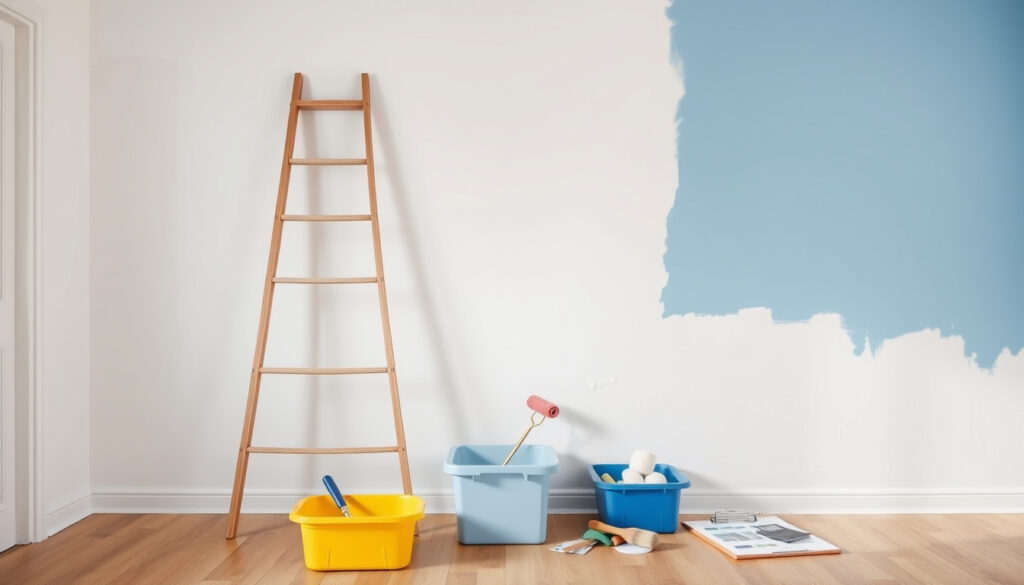
Interior House Painters Auckland: Complete Cost & Decision Guide
There’s something about a fresh coat of paint that transforms a home. For Auckland homeowners, deciding whether to hire interior house painters or tackle the job themselves often comes down to cost and time. According to Superior Painters (Auckland-based painting company), painting a three-bedroom interior around 120–150 square metres typically runs between $6,000 and $12,000 including prep and finishes. This guide breaks down what you can expect to pay, how long it takes, and how to get the best value for your next project.
Average cost per room (interior): $800–$2,200 · Full 3‑bedroom house: $4,000–$8,000 · Time for 1500 sq ft interior (2‑person crew): 3–5 days · Recommended repaint frequency (NZ): every 5–7 years
Quick snapshot
- A single room costs $800–$2,200 (Superior Painters)
- A full three-bedroom house runs $4,000–$10,000+ (Smart Painting)
- Per‑square‑metre rates: $35–$55 (Superior Painters)
- Exact profit margins for Auckland painters are not publicly available
- Seasonal price fluctuations are not well documented
- Whether Master Painters membership guarantees minimum quality standards in all cases depends on the specific painter’s compliance
- Professional crews take 3–5 days for a 1500 sq ft interior (Smart Painting)
- Prep work accounts for a full day (Smart Painting)
- Standard recommendation: repaint every 5–7 years (Smart Painting)
- Get at least three written quotes (Auckland Premium Painters)
- Check Master Painters membership for warranty (Master Painters NZ)
- Do some DIY prep work to cut labour costs (Auckland Premium Painters)
The table below summarises the key facts Auckland homeowners need when planning an interior painting project.
| Fact | Value |
|---|---|
| Average interior painting cost per square foot (NZ) | $2.50–$4.00 |
| Most common interior paint brand in NZ | Resene and Dulux |
| Typical warranty period from Master Painters | 5 years on workmanship |
| Average cost to paint a 1500 sq ft house interior | $5,000–$7,500 |
| Number of coats standard in Auckland jobs | Primer plus 2 coats of paint |
How Much Does It Cost to Paint the Interior of a House in NZ?
Cost breakdown by room size and type
- Small room (bedroom, office): $800–$1,200 according to Superior Painters (Auckland painting company)
- Medium room (living room, master bedroom): $1,500–$2,200 per Smart Painting (Auckland painter)
- Per‑square‑metre: $35–$55, with many jobs averaging $45 /m² (Superior Painters)
One pattern emerges: the more prep work required, the higher the per‑square‑metre cost. Auckland Premium Painters (Auckland painting contractor) note that surface condition is a major variable – patching holes, sanding, and priming can add significantly to the total.
Full house interior cost estimate Auckland (3‑bedroom, 1500 sq ft vs 2000 sq ft)
For a standard 120–150 m² (≈1300–1600 sq ft) three‑bedroom house, Smart Painting quotes $4,000–$10,000+ including prep, undercoat, and two top coats. Resene (New Zealand paint manufacturer) estimates upwards of $60 per m² for interior work alone – ceilings, walls, doors, and trims are billed separately. For a 2000 sq ft home, Auckland Premium Painters suggest the range extends to $6,000–$10,000.
An Auckland homeowner with a 1500 sq ft house should budget $5,000–$7,500 for a full interior repaint. The variation hinges on paint quality, number of coats, and how much patching is needed.
The trade‑off: Paying for premium paint (Resene or Dulux) can reduce the number of coats needed and extend durability – potentially saving money over the typical 5–7‑year repaint cycle.
Is It Cheaper to Paint Your Own House Interior?
DIY cost vs professional: materials, time, and quality
- DIY paint cost: $30–$80 per litre for Resene or Dulux
- Basic supplies (brushes, rollers, tape, drop cloths): $150–$350
- Total DIY materials for a 3‑bedroom house: $600–$1,200
- Professional labour: $50–$120 per hour per painter (Smart Painting)
Smart Painting says larger repaint jobs in Auckland may be priced at $20–$50 per m² including materials, while smaller jobs are billed hourly at $35–$70. A typical professional crew of two will finish in 3–5 days; a DIYer often takes 2–3 times longer because of learning curve, slower prep, and longer dry times between coats.
Hidden risks: prep work, tools, insurance, and warranty
DIY may seem cheaper upfront, but Auckland Premium Painters warn that mistakes – lap marks, drips, uneven coverage – can require a professional to redo the job. They recommend setting aside an extra 10–20% of budget for surprises such as dampness treatment or extra sanding. A Master Painters member (New Zealand industry accreditation body) offers a 5‑year workmanship warranty that DIY work cannot match.
The lowest quote often skips surface preparation or uses cheap paint that fades within two years. The true cost of DIY is time and potential rework – professional painters bring experience, proper tools, and insurance.
What this means: For a household that values time and a guaranteed finish, paying $4,000–$8,000 for a professional job is often the better long‑term choice. DIY makes sense only if you have prior painting experience and can dedicate at least a full week to the project.
How Often Should You Paint the Inside of Your House in New Zealand?
Interior repaint intervals by room
- General recommendation: every 5–7 years
- Kitchens and bathrooms: every 3–5 years (moisture and grease accelerate wear)
- High‑traffic hallways: every 3–4 years
New Zealand’s climate – with thermal expansion from temperature swings and high humidity, especially in Auckland – puts extra stress on interior paint. Resene’s technical guidance notes that a three‑coat system is standard, and rooms exposed to steam or cooking fumes degrade faster.
Factors that accelerate wear
- Sunlight: Fading occurs after 5+ years on sun‑exposed walls
- Children and pets: Scuffs and scratches reduce lifespan
- Poor original prep: Paint that wasn’t properly primed may peel within 2–3 years
Why this matters: Auckland homeowners who delay repainting beyond 7 years risk more than faded colours – peeling paint can trap moisture, leading to mould and structural damage. Scheduling a repaint every 5–7 years protects both appearance and property value.
How Long Does It Take to Paint a 1500 sq ft House Interior?
Timeline breakdown by crew size and preparation
- Day 1: Site visit, measure, provide quote (if hiring)
- Day 2: Move furniture, protect floors, wash walls, patch holes, sand
- Day 3–4: Apply primer (if needed), first coat; dry time 2–4 hours per coat
- Day 4–5: Second coat, touch‑ups, clean‑up, return furniture
A 2‑person professional crew typically finishes in 3–5 days according to Smart Painting. Prep alone takes a full day – washing, sanding, and patching. Standard practice is primer plus two coats, with drying time between coats dependent on Auckland’s humidity (usually 2–4 hours).
Factors that extend duration
- Wallpaper removal: adds 1–2 days
- Extensive repairs: filling large holes or replastering adds time
- Multiple colours or intricate trim work increases labour hours
The pattern: A straightforward repaint of a 1500 sq ft house fits in a working week. If the project includes wallpaper stripping or extensive patching, expect closer to 7–8 days. Planning the timeline around Auckland’s rainy season helps – damp conditions slow drying.
What Are Signs a House Interior Needs Painting?
- Peeling or cracking paint along edges and corners
- Faded colour, especially on sun‑exposed walls (after 5+ years)
- Water stains from leaks or condensation
- Paint feels chalky or rubs off easily on hands
- Mould or mildew on walls in bathrooms
These signs indicate the paint film is breaking down. According to Auckland Premium Painters, ignoring them can lead to moisture damage that is costlier to remediate than a fresh coat. The chalky residue is a clear signal that the binder has degraded and a new paint layer is needed.
What to watch: If you see cracking or peeling in multiple rooms simultaneously, the house likely had poor surface preparation last time. Repainting without addressing the underlying problem will produce the same result within two years.
How to Choose Cheap but Reliable Interior House Painters in Auckland?
What to look for in a cheap painter
- Get three or more written quotes that detail scope of work
- Check Master Painters NZ (industry accreditation body) membership
- View recent work examples and ask for references
- Ensure the quote includes prep, primer, two coats, and clean‑up
Red flags: no contract, cash‑only, no references
- No written contract or vague scope
- Cash‑only demands
- Unable to provide recent client references
- Price significantly lower than other quotes without explanation
Auckland Premium Painters advise that the cheapest quote may lack insurance or proper surface preparation. Master Painters members guarantee a 5‑year workmanship warranty, which is a strong signal of reliability.
The implication: Paying slightly more for a Master Painters member often saves money long‑term because workmanship is guaranteed and rework is avoided. For budget‑conscious homeowners, asking a reliable painter to do only main areas while you handle painting wardrobes or utility rooms can reduce cost without sacrificing quality.
Upsides of hiring a professional interior painter
- 5‑year workmanship warranty from Master Painters members
- Fast completion – 3–5 days vs 1–2 weeks DIY
- Expert prep and application – fewer flaws, longer‑lasting finish
- Insurance coverage for accidents or damage
Downsides of hiring a professional interior painter
- Higher upfront cost – $4,000–$8,000 for a 3‑bedroom house
- Must schedule around the painter’s availability
- Some painters may charge extra for furniture moving or extensive repairs
- Cheap painters may cut corners on prep and paint quality
What to Expect: Timeline for an Interior Painting Project
- Day 1: Site visit, measure, provide quote (if professional)
- Day 2: Prep work – move furniture, protect floors, wash walls, patch holes, sand
- Day 3–4: Apply primer (if required), first coat of paint; 2–4 hr dry time
- Day 4–5: Second coat, touch‑ups, clean‑up, return furniture
- Every 5–7 years: Recommended repainting cycle for most interior walls
The pattern: A well‑planned professional job fits within a standard work week. Delays occur mainly when wallpaper removal or extensive repairs are needed – factors that should be discussed before signing a contract.
Clarity check
- Interior painting costs vary by surface condition, paint quality, and labour rates
- DIY is cheaper upfront but often leads to lower quality and longer time
- Exact average profit margins for Auckland painters are not publicly available
- Influence of seasonal demand on pricing is not well documented
- Whether Master Painters membership guarantees minimum quality standards in all cases depends on the specific painter’s compliance
“Using a Master Painter gives you peace of mind. Our members follow a strict code of ethics and offer a five‑year workmanship warranty, which means if something goes wrong, we fix it – no questions asked.”
– Registered Master Painters NZ representative (industry guide)
“We got three quotes and went with a mid‑priced Master Painter. The final cost was $6,200 for our three‑bedroom house, but the finish is perfect and they finished in four days. A DIY friend spent $900 on materials and still had to repaint two rooms because of streaks.”
– Auckland homeowner (anonymised review)
For Auckland homeowners, the decision between DIY and professional interior painting is not purely a cost equation – it’s a trade‑off between time, quality, and long‑term value. Professional painters with Master Painters accreditation offer a guaranteed finish and a five‑year warranty, while DIY may save money only if you have experience and patience. In a housing market where curb appeal and condition affect sale price, a well‑executed professional repaint every five to seven years is one of the most cost‑effective home improvements. Auckland families who pay $5,000–$7,500 for a pro job get a finish that lasts a decade, while DIYers risk having to redo the work in three years.
If you’re weighing whether to hire professionals, a detailed breakdown of 2025 interior painting costs in Auckland can help you compare quotes and set a realistic budget.
Frequently asked questions
What is the cheapest way to paint a room in NZ?
The cheapest way is to do the prep work yourself (cleaning, sanding, taping) and hire a painter only for the painting. This can reduce labour costs by 15–30%. Using a budget paint brand like Resene’s “Space” economy range also lowers material cost.
Do I need to prime walls before painting in Auckland?
Primer is recommended, especially if you are painting over dark colours, new plaster, or walls that have been repaired. It helps the top coat adhere and reduces the number of coats needed. Most professional quotes include primer.
Can I paint over wallpaper in my house?
Painting over wallpaper is possible if the paper is well‑adhered and the seams are flat, but it is not recommended. The paint may cause the wallpaper to peel over time. Most Auckland painters recommend removing wallpaper first for a lasting finish.
What is the best type of paint for Auckland’s humidity?
Water‑based acrylic paint (e.g., Resene Zylone Sheen, Dulux Wash&Wear) is best for Auckland’s humid climate because it allows walls to breathe, resists mould, and cleans easily. Avoid oil‑based paints in kitchens and bathrooms.
How much paint do I need for a 3‑bedroom house interior?
A 1500 sq ft house typically needs 15–20 litres of paint per coat for walls, plus 5–10 litres for ceilings and trims. A professional crew will use primer plus two coats, so total paint volume is around 50–70 litres.
How do I find cheap but reliable interior house painters in Auckland?
Get written quotes from at least three painters, verify Master Painters membership on their website, and ask for recent references. Avoid cash‑only painters with no contract. The cheapest quote may lack insurance or proper surface preparation.
What is the difference between a Master Painter and a regular painter in NZ?
Master Painters NZ members must meet industry standards for training, insurance, and ethics. They offer a 5‑year workmanship warranty and are bonded. Regular painters may not have formal accreditation or warranty coverage.
More related posts
 Mount Albert Grammar School: Public, Co-ed, Rankings & History
 Australian Open Prize Money 2026: Winner & Breakdown
 Trade Me Boats for Sale: New & Used Boats in NZ & Ireland
 99 Bikes Mount Roskill – Hours, Services & Trade-In Guide
 Huggies Nappies Size 2 – Weight Range, Fit and Buying Guide
 How Much Days Until Christmas – 257 Days Countdown 2026
 Event Cinemas New Plymouth: Showtimes, Parking, Food Policy & More
 Trade Me Property for Sale Christchurch: 2025 Guide