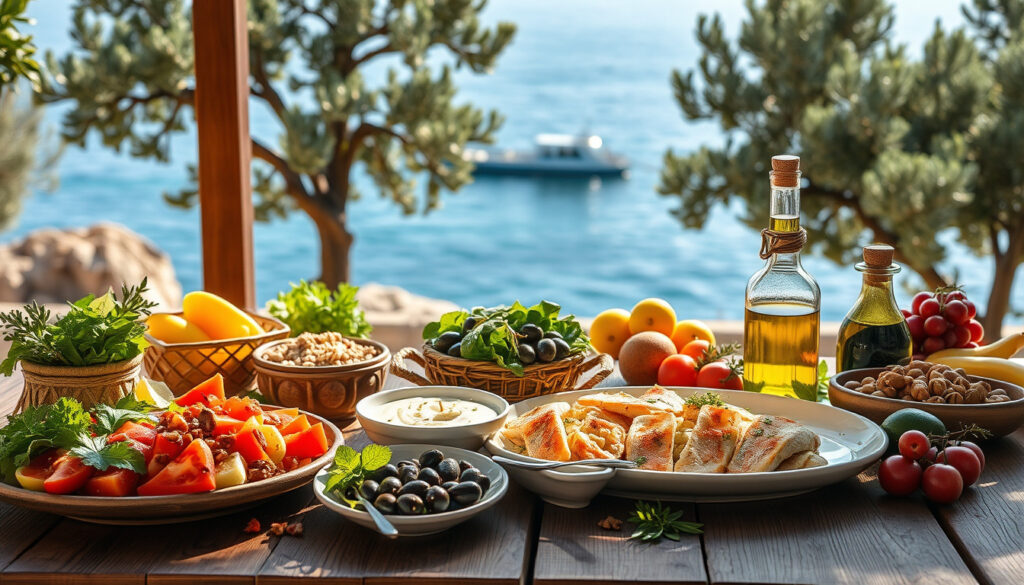
Mediterranean Diet Meal Plan: 7-Day Beginner Guide
The Mediterranean diet has one of the strongest clinical track records in nutrition science — and this beginner guide shows you exactly how to use it for fatty liver reversal and long-term heart protection.
Core Foods: Veggies, fruits, whole grains ·
Healthy Fats: Olive oil, nuts, seeds ·
Protein Sources: Fish, legumes, moderate dairy ·
Limits: Red meat, processed foods ·
Meal Focus: Plant-based, high-fiber
Quick snapshot
- Green Mediterranean diet cuts liver fat by 39% vs 20% for standard version (Harvard T.H. Chan School of Public Health)
- 18-month trial involved 294 adults with abdominal obesity (Harvard T.H. Chan School of Public Health)
- MD reduced HOMA-IR by 0.5 units in 12 weeks (Frontiers in Nutrition)
- Exact plaque reversal rates in arteries — studies show benefit but specific percentages vary
- Optimal duration for “Green Med” additions (green tea, Mankai) to show maximum effect
- Long-term adherence rates beyond 18 months in community settings
- 2021: Green Mediterranean diet trial published in Gut
- 2023: Frontiers review recommends MD for MAFLD patients
- Ongoing research on polyphenol combinations
- Wider clinical adoption of Med-style eating for fatty liver management
- More randomized trials comparing dietary interventions head-to-head
- Potential integration into cardiology guidelines alongside statins
The table below summarizes the defining characteristics and target metrics of a Mediterranean eating pattern based on VA and clinical guidelines.
| Attribute | Value |
|---|---|
| Origin | Mediterranean regions |
| Primary Fats | Olive oil |
| Weekly Fish Intake | Twice or more |
| Dairy Type | Yogurt, cheese moderate |
| Green Med liver fat reduction | 39% |
| Standard Med liver fat reduction | 20% |
| VA Plan daily calories | 2200 |
| VA Plan fiber | 43g daily |
| Olive oil daily (VA plan) | 4 tablespoons |
| Saturated fat ceiling (VA plan) | 8% |
What is an example of a Mediterranean diet meal plan?
A Mediterranean diet meal plan isn’t about exotic ingredients or complicated recipes — it’s about building plates around whole plant foods, healthy fats, and lean proteins that happen to be staples in places like Greece, Italy, and Spain. Think of it as a template you can adapt to your kitchen and schedule.
Breakfast Ideas
- Half a cup of rolled oats topped with berries, walnuts, and a dash of cinnamon — a fiber-rich start that keeps blood sugar steady
- Greek yogurt with sliced figs, honey, and crushed almonds
- Whole-grain toast with smashed avocado, cherry tomatoes, and a poached egg
- Smoothie with spinach, frozen mango, and a tablespoon of tahini
Rebecca Blake, a registered dietitian, puts it plainly: “The best diet for fatty liver is one that’s rich in omega-3 fatty acids, low in saturated fat, and with a strong emphasis on vegetable and fruit intake. The Mediterranean diet is an excellent starting place.”
Lunch Options
- Quinoa bowl with roasted chickpeas, cucumber, feta, and lemon-tahini dressing
- Whole-wheat pita stuffed with hummus, grilled eggplant, and diced tomatoes
- Mixed green salad with grilled sardines, olives, sun-dried tomatoes, and olive oil vinaigrette
- Lentil soup with a side of whole-grain bread and a drizzle of extra virgin olive oil
Dinner Recipes
- Baked salmon (4 oz) with steamed broccoli and half a sweet potato — a liver-loving combo high in omega-3s
- Turkey meatballs in no-sugar marinara served over spaghetti squash
- Greek red lentil soup with crusty bread and a side of sautéed kale
- Grilled chicken thigh with roasted bell peppers, onions, and a squeeze of lemon
Snacks
- A handful of mixed nuts (almonds, walnuts, pistachios)
- Apple slices with almond butter
- Carrot sticks with hummus
- Dark chocolate (70%+ cacao) with a small handful of seeds
The pattern across all meals: fill half your plate with vegetables, add a palm-sized portion of protein, and crown it with healthy fats. According to the Healthline analysis of clinical data, this structure aligns with what’s been shown to prevent liver fat accumulation in at-risk populations.
What do Mediterraneans eat for breakfast, lunch, and dinner?
Traditional Mediterranean eating isn’t about three elaborate sit-down meals — it’s about simplicity, seasonal ingredients, and the olive oil bottle always within reach. Here’s how it breaks down across the day.
Traditional Breakfasts
Mediterranean breakfasts tend to be lighter than American ones, often built around whole grains and dairy. A typical spread might include plain yogurt with honey and nuts, whole-grain bread with tomato and olive oil, or a small bowl of data — yes, dates and dried figs are breakfast staples in some regions. Coffee is usually espresso-style, taken standing at a bar for those in Spain or Italy.
For someone starting out, the Fay Nutrition 7-day plan for beginners recommends half a cup of rolled oats with berries, walnuts, and cinnamon on Day 1 — a fiber-dense option that fits neatly into the Med template. Eggs are absolutely welcome: scrambled, poached, or in an omelet with spinach and feta.
Lunch Staples
Lunch is often the main meal in Mediterranean countries, which means leftovers get creative. A typical lunch might be a hearty bean soup, a grain bowl with grilled vegetables, or a simple salad of tomatoes, cucumber, feta, and olives dressed with lemon and oil. The VA Mediterranean framework sample specifies a 2200-calorie Mediterranean framework with 43 grams of fiber daily — achievable when you build lunches around legumes and vegetables.
The National Lipid Association recommends Mediterranean-style eating with seafood twice weekly, lean meats, nuts daily, and at least one meatless meal weekly — a useful benchmark for structuring your week.
Dinner Meals
Dinners in the Mediterranean tradition lean heavily on fish, vegetables, and grains — not on meat-heavy plates. Baked fish with herbs and lemon, vegetable stews with white beans, pasta with tomato-based sauces loaded with vegetables: these are the backbone. Fatty fish like salmon and sardines are particularly valued for their omega-3 content, which multiple studies link to reduced liver inflammation.
Mediterranean eating isn’t about perfection — it’s about consistency. Fish twice a week, olive oil at every meal, vegetables as the star, and red meat as an occasional guest rather than the main act.
What is not allowed in a Mediterranean diet?
The Mediterranean diet isn’t a permissive “everything in moderation” tagline — it draws clear lines around foods that undermine its core benefits. Understanding what’s off the table helps you make smarter choices without overthinking every bite.
Red Meat Limits
Red meat isn’t banned outright, but it’s definitely a limited guest. Think of it as the special-occasion item on the menu rather than the daily default. Beef, pork, and lamb sit at the top of the saturated fat list, and the Kaiser Permanente heart-health guide specifically flags saturated fats in animal foods and processed snacks as the culprits this eating pattern is designed to minimize. When you do eat red meat, keep portions small — a few ounces, a few times a week max.
Processed Foods
This is where the Mediterranean diet draws its firmest line. Processed meats (sausages, hot dogs, deli slices), packaged snacks with long ingredient lists, and anything with added sugars sneaking in under different names — all of these are out. The American Heart Association Mediterranean-style recommendations explicitly call for limiting added sugars and processed meats, and there’s a reason: these foods drive the inflammation and insulin resistance that fatty liver thrives on.
Sugary Drinks
Soda, sweetened coffees, energy drinks, and anything loaded with high-fructose corn syrup gets the boot. Sugary beverages are arguably the worst offenders for liver health — they deliver a rapid glucose spike and fructose load straight to the liver without the fiber buffer that whole foods provide. The Harvard green Mediterranean trial specifically tested a low-sugar framework, and the results showed what happens when you remove that burden: liver fat drops significantly.
Watch for “healthy” processed foods marketed to dieters — granola bars with added sugars, flavored yogurts with fruit-on-the-bottom that means sugar-on-the-bottom, and baked chips that are still deep-fried. Read labels, or better yet, stick to the perimeter of the grocery store where whole foods live.
Can the Mediterranean diet help with fatty liver disease?
Non-alcoholic fatty liver disease (NAFLD), now more precisely called metabolic-associated fatty liver disease (MAFLD), involves excess fat building up in the liver — often without symptoms until things have progressed. The good news: diet and lifestyle changes can reverse it, often within months to a year. And the Mediterranean diet keeps showing up at the top of the evidence pile.
Foods for Liver Health
The Mediterranean framework ticks every box for liver-friendly eating. Olive oil provides monounsaturated fats that improve insulin sensitivity. Omega-3-rich fish like salmon and sardines reduce liver inflammation. Whole grains, legumes, and vegetables deliver fiber that helps regulate blood sugar and feeds a healthier gut microbiome. The Frontiers in Nutrition review on MAFLD notes that the Mediterranean diet provides antioxidant and anti-inflammatory benefits through polyphenols, polyunsaturated fatty acids, oleic acid, and fiber — all mechanisms that directly address MAFLD progression.
The green Mediterranean variant takes this further, adding daily green tea and Mankai (duckweed) for an extra polyphenol punch. In an 18-month trial with 294 adults who had abdominal obesity, the Harvard research team found that the green Mediterranean diet reduced liver fat by 39% compared to 20% for the standard version — nearly double the benefit. The implication: the polyphenol-heavy “green” additions matter more than we initially thought.
Top Foods to Avoid
For fatty liver, the enemy is added sugar and excess fructose — mostly coming from sugary beverages, desserts, and processed snacks. The American Liver Foundation and multiple clinical guidelines point to these as the top dietary drivers of liver fat accumulation. Swap the soda for sparkling water with lemon, the candy bar for a handful of nuts, and watch your plate — not just for calories, but for what’s NOT in it.
Weight reduction of 5-10% can significantly reduce NAFLD severity, according to Fay Nutrition analysis of clinical data. The Mediterranean diet makes this achievable because it’s satisfying — the healthy fats and fiber keep you full, so the calorie deficit happens naturally without extreme restriction.
The Mediterranean diet works for fatty liver, but it’s not a quick fix. Most clinical trials showing meaningful liver fat reduction ran for 12 weeks to 18 months. If you’re expecting results in two weeks, you’ll be disappointed. If you’re willing to commit to the pattern, the evidence says your liver will thank you.
Is Mediterranean diet good for clogged arteries?
Clogged arteries — technically atherosclerosis — develop when plaque builds up in arterial walls over years, driven by inflammation, high cholesterol, and oxidized lipids. The Mediterranean diet attacks all three pathways simultaneously, which is why major cardiology bodies keep endorsing it.
Heart Benefits
The Mayo Clinic analysis of Mediterranean diet research notes that the Mediterranean diet lowers LDL cholesterol through unsaturated fats from olive oil and nuts — the “bad” cholesterol that forms arterial plaque. Meanwhile, the omega-3s in fish reduce triglycerides and inflammation, the fiber keeps blood sugar stable, and the polyphenols protect the lining of blood vessels from oxidative damage.
Dr. Carl Fier from the Elliot Heart and Vascular Center frames it this way: “The Mediterranean diet is more than a way of eating; it’s a prescription for lifelong heart health. Its combination of healthy fats, fiber-rich foods, and natural antioxidants has been shown to reduce the risk of heart disease, lower blood pressure, and improve cholesterol levels.”
Plaque Reduction
While specific plaque-reversal percentages vary by study and measurement method, the pattern is clear: populations eating Mediterranean-style show lower rates of coronary events. The Kaiser Permanente Georgia heart-health resources guide states that the Mediterranean diet reduces heart disease risk, lowers blood pressure, and improves cholesterol through healthy fats and anti-inflammatory effects. The trade-off: these benefits require consistent olive oil consumption (think 4 tablespoons daily, as in the VA sample plan) and fish twice a week — not occasional token gestures.
How to build your own 7-day Mediterranean meal plan
Putting together a Mediterranean meal plan for the week comes down to three steps: set your protein schedule, stock your pantry, and batch-cook what you can ahead. Here’s a practical roadmap for beginners.
- Monday: Breakfast — oatmeal with berries and walnuts; Lunch — quinoa bowl with chickpeas and feta; Dinner — baked salmon with roasted vegetables
- Tuesday: Breakfast — Greek yogurt with honey and almonds; Lunch — lentil soup with whole-grain bread; Dinner — grilled chicken with tabbouleh salad
- Wednesday: Breakfast — whole-grain toast with avocado and poached egg; Lunch — Mediterranean grain salad; Dinner — white bean stew with kale
- Thursday: Breakfast — smoothie with spinach, mango, tahini; Lunch — whole-wheat pita with hummus and grilled veggies; Dinner — baked white fish with lemon, capers, and roasted potatoes
- Friday: Breakfast — yogurt parfait with figs and seeds; Lunch — tuna salad with olives and mixed greens; Dinner — spaghetti squash with turkey meatballs in marinara
- Saturday: Breakfast — whole-grain pancakes with berries; Lunch — leftover white bean stew; Dinner — grilled sardines with roasted fennel and lemon
- Sunday: Breakfast — scrambled eggs with spinach and feta; Lunch — Greek salad with grilled shrimp; Dinner — slow-roasted leg of lamb (small portion) with roasted root vegetables
The Mediterranean diet demands kitchen time. If you’re consistently eating drive-through dinners, this eating pattern will require a real schedule adjustment — but the health returns (lower cholesterol, less liver fat, better blood sugar) are worth the effort for most people willing to put in the cook time on weekends.
“The best diet for fatty liver is one that’s rich in omega-3 fatty acids, low in saturated fat, and with a strong emphasis on vegetable and fruit intake. The Mediterranean diet is an excellent starting place.”
— Rebecca Blake, RD, Registered Dietitian (Fay Nutrition)
“The Mediterranean diet is more than a way of eating; it’s a prescription for lifelong heart health. Its combination of healthy fats, fiber-rich foods, and natural antioxidants has been shown to reduce the risk of heart disease, lower blood pressure, and improve cholesterol levels.”
— Dr. Carl Fier, Elliot Heart and Vascular Center (Kaiser Permanente Georgia)
For anyone dealing with fatty liver or trying to protect their heart, the path forward is straightforward: build your plates around vegetables and whole grains, make olive oil your default fat, eat fish at least twice a week, and treat red meat and processed foods as occasional exceptions rather than staples. The clinical data from Harvard, Frontiers in Nutrition, and the American Heart Association is consistent: this eating pattern works for patients who commit to it over months and years.
Frequently asked questions
Are scrambled eggs part of a Mediterranean diet?
Absolutely. Eggs are a staple in Mediterranean eating — scrambled, poached, or in an omelet with spinach and feta. They’re an excellent source of protein and choline, which plays a role in liver function. Just go easy on the butter or oil you cook them in.
What is the no. 1 food that causes fatty liver?
Added sugar, particularly high-fructose corn syrup found in sugary beverages, is the single biggest dietary driver of liver fat accumulation. Sodas, sweet coffees, and energy drinks deliver fructose straight to your liver without the fiber buffer that whole foods provide.
What is the number one habit to break on the Mediterranean diet?
Ditching sugary drinks. Swap sodas, sweetened juices, and flavored coffees for water, sparkling water with lemon, or plain coffee or tea. This single change removes the largest source of excess fructose for most Western diets.
What is a Mediterranean diet meal plan for beginners?
A Mediterranean diet meal plan for beginners focuses on five food groups: vegetables and fruits, whole grains, healthy fats (especially olive oil), lean proteins (fish, legumes, eggs, moderate dairy), and limited red meat. The 7-day template above is a practical starting point.
Is the Mediterranean diet effective for weight loss?
Yes — indirectly. Because the Mediterranean diet is high in fiber and healthy fats, it keeps you fuller longer, which naturally reduces calorie intake. Studies show 5-10% weight loss is achievable, and even that amount significantly reduces fatty liver severity.
How to get a free Mediterranean diet meal plan PDF?
The U.S. Department of Veterans Affairs offers a free Mediterranean diet guide with macro breakdowns — 2200 calories, 43 grams of fiber, 4 tablespoons of olive oil daily, 8% saturated fat. The Nutrition.VA.gov PDF resource is a solid, evidence-based starting point.
What recipes fit a Mediterranean diet meal plan?
Any recipe built around whole plant foods and lean proteins fits. Signature options include grilled fish with lemon and herbs, lentil soups, grain bowls with roasted vegetables, Greek salads with feta and olives, and oatmeal topped with nuts and berries.
Related reading: Egg Fried Rice Recipe · A’mano Authentic Pasta & Cucina: Handmade Italian in Christchurch
nutritionresolution.com, lipid.org, elliothospital.org, dietitians.ca
Plans like this 7-Day Guide for Beginners provide fresh takes on daily breakfasts, lunches, and dinners while highlighting the same heart-healthy benefits.
More related posts
 We Can Be Heroes: Review, Sequel, Age Rating & Guide
 Hamilton to Auckland Bus: Timetables, Fares & Travel Options
 All Blacks vs South Africa 2025: Kickoff, TV & Live Stream
 Pakistan vs West Indies 2026: Schedule & Babar Azam Return
 Outrageously Expensive Crossword Clue: All Letter Counts
 SodaStream Bottles NZ: Where to Buy & Compatibility
 Ice Ice Baby Timaru: Menu, Hours & Delivery on Stafford
 99 Bikes Mount Roskill – Hours, Services & Trade-In Guide